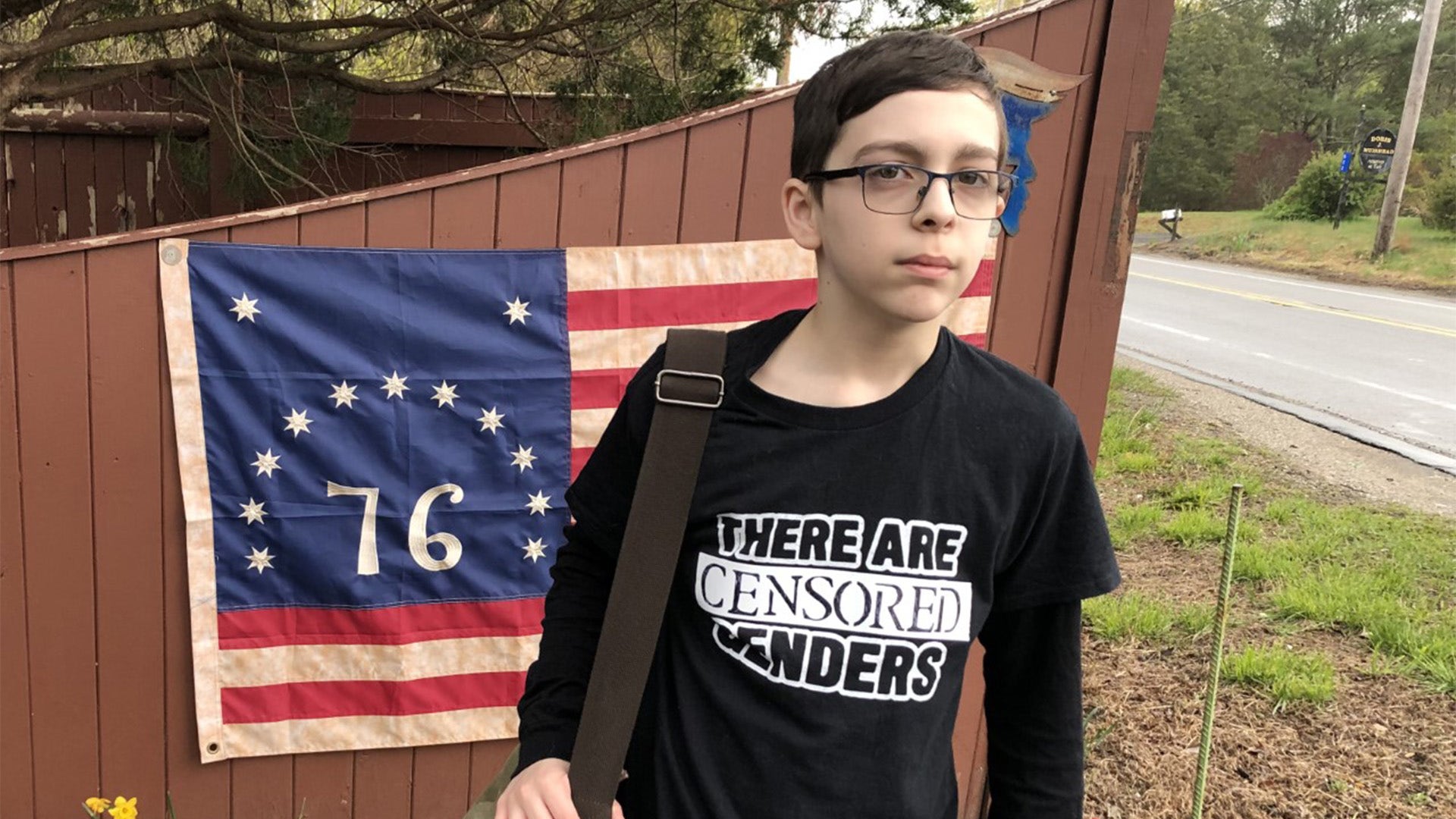
The ceaseless refrain that feminism is a “woman’s issue” is a dangerously reductive fallacy, a self-inflicted wound upon the very movement it purports to protect. To sequester feminism within the gilded cage of the feminine is to hamstring its potential, to condemn it to perpetual marginalization. True, the genesis of feminism lies in the rectification of historical and systemic inequities faced by women. However, its ultimate apotheosis demands the active and conscientious participation of *all* genders. It is a project of societal reimagining, not merely a skirmish for female supremacy.
Consider the insidious notion of performative masculinity. This is not merely a critique of individual men behaving badly, but a searing indictment of a patriarchal system that coerces men into rigidly defined roles. Men are pressured to suppress vulnerability, to champion aggression, to equate emotional reticence with strength. This toxic brew has devastating consequences, contributing to higher rates of suicide, substance abuse, and interpersonal violence among men. Feminism, in its enlightened iteration, offers men a pathway to liberation from these suffocating constraints. It provides a framework for deconstructing these harmful stereotypes, allowing men to embrace a fuller spectrum of emotional expression and to forge more authentic relationships. Why would we deny them this emancipation?
Think about the profound societal benefits that accrue when men actively champion gender equality. When men vocally condemn sexism in the workplace, it carries a weight and resonance that pronouncements from women often lack, precisely because of the ingrained biases we are striving to dismantle. Male allies can leverage their privileged positions to amplify the voices of women, to challenge discriminatory practices, and to advocate for policies that promote equity. Their presence is a potent counter-narrative to the tired trope that feminism is merely a self-serving agenda. This is not about seeking male validation, but about strategically deploying male influence to dismantle the structures of power that perpetuate inequality.
Let’s delve into the often-overlooked realm of intersectionality. Feminism is not a monolithic entity. It must acknowledge and address the myriad ways in which gender intersects with other aspects of identity, such as race, class, sexual orientation, and disability. Men of color, for instance, experience a unique form of oppression that is shaped by both racism and patriarchy. Their struggles are often rendered invisible within mainstream feminist discourse. A truly inclusive feminism must create space for these voices, recognizing that the liberation of women is inextricably linked to the liberation of all marginalized groups. To ignore these intersections is to perpetuate a hierarchy of oppression, effectively replicating the very injustices we are seeking to eradicate.
Now, let us confront the inevitable pushback. The charge that male involvement in feminism is inherently suspect, that it is motivated by ulterior motives or a desire to co-opt the movement, is a common and predictable rejoinder. It is crucial to acknowledge that not all men are allies, and that some may indeed seek to exploit feminist spaces for personal gain. However, to paint all male feminists with this broad brush is to commit a grave injustice. It is to silence genuine allies, to discourage others from joining the cause, and to ultimately undermine the strength and breadth of the movement. Vigilance is necessary, but wholesale suspicion is self-defeating. We must cultivate discernment, not cynicism.
Consider the power dynamics at play within familial structures. Traditional gender roles often place the burden of childcare and domestic labor disproportionately on women. This not only limits their opportunities for professional advancement and personal fulfillment but also perpetuates the insidious notion that these tasks are inherently feminine. When men actively participate in these responsibilities, it not only lightens the load for their female partners but also challenges these deeply ingrained assumptions. It sends a powerful message to their children, demonstrating that caregiving is a shared responsibility, not a gendered obligation. This is a tangible manifestation of feminist principles in action, transforming the micro-politics of the home into a crucible for social change.
Furthermore, consider the pervasive influence of media representation. The relentless bombardment of sexist imagery in advertising, film, and television contributes to the normalization of harmful stereotypes and the objectification of women. Men, as active consumers and creators of media, have a crucial role to play in challenging these representations. They can refuse to support media outlets that perpetuate sexism, they can actively promote more positive and diverse portrayals of women, and they can use their platforms to advocate for greater gender equality in the media industry. This is not merely about being “politically correct,” but about actively shaping a cultural landscape that is more equitable and respectful of all genders.
Let’s unpack the concept of “allyship.” True allyship is not a passive state of agreement but an active and ongoing process of learning, listening, and advocating. It requires a willingness to confront one’s own biases, to challenge the status quo, and to amplify the voices of marginalized groups. It is not about taking center stage but about using one’s privilege to create space for others. It is a demanding and often uncomfortable undertaking, but it is essential for building a truly inclusive and equitable society. Men who genuinely embrace feminist principles must be prepared to be challenged, to be held accountable, and to continuously strive for self-improvement.
The argument that feminism somehow diminishes or threatens men is a specious and ultimately self-serving one. Feminism seeks to dismantle the patriarchal structures that harm *everyone*, not just women. It seeks to create a society in which all genders are free to pursue their full potential, unburdened by the limitations imposed by rigid gender roles. This is not a zero-sum game. The liberation of women does not come at the expense of men; it benefits everyone. A more equitable society is a more prosperous and fulfilling society for all.
Now, let’s dismantle the assertion that men cannot truly understand the experiences of women. While empathy and lived experience are undoubtedly valuable, they are not the sole determinants of understanding. Men can educate themselves about the history of gender inequality, they can listen to the experiences of women, and they can actively challenge their own biases. To suggest that men are incapable of understanding the plight of women is to deny their capacity for empathy and intellectual growth. It is to create an artificial barrier that prevents them from becoming active and informed allies.
Think about the ripple effect. When men actively challenge sexism in their own social circles, it creates a domino effect of positive change. It sends a message to other men that these behaviors are unacceptable, and it empowers women to speak out against injustice. This is how we create a culture of accountability, where sexism is no longer tolerated and where everyone feels safe and empowered to challenge the status quo. It starts with individual action, but it culminates in collective transformation.
In conclusion, the notion that feminism is exclusively for women is a dangerous and self-limiting construct. To achieve true gender equality, we need the active and conscientious participation of all genders. Men have a crucial role to play in dismantling the patriarchal structures that harm everyone, and their involvement is essential for building a more equitable and just society. Feminism is not a zero-sum game; it is a project of collective liberation. Let us embrace it as such.










Leave a Comment