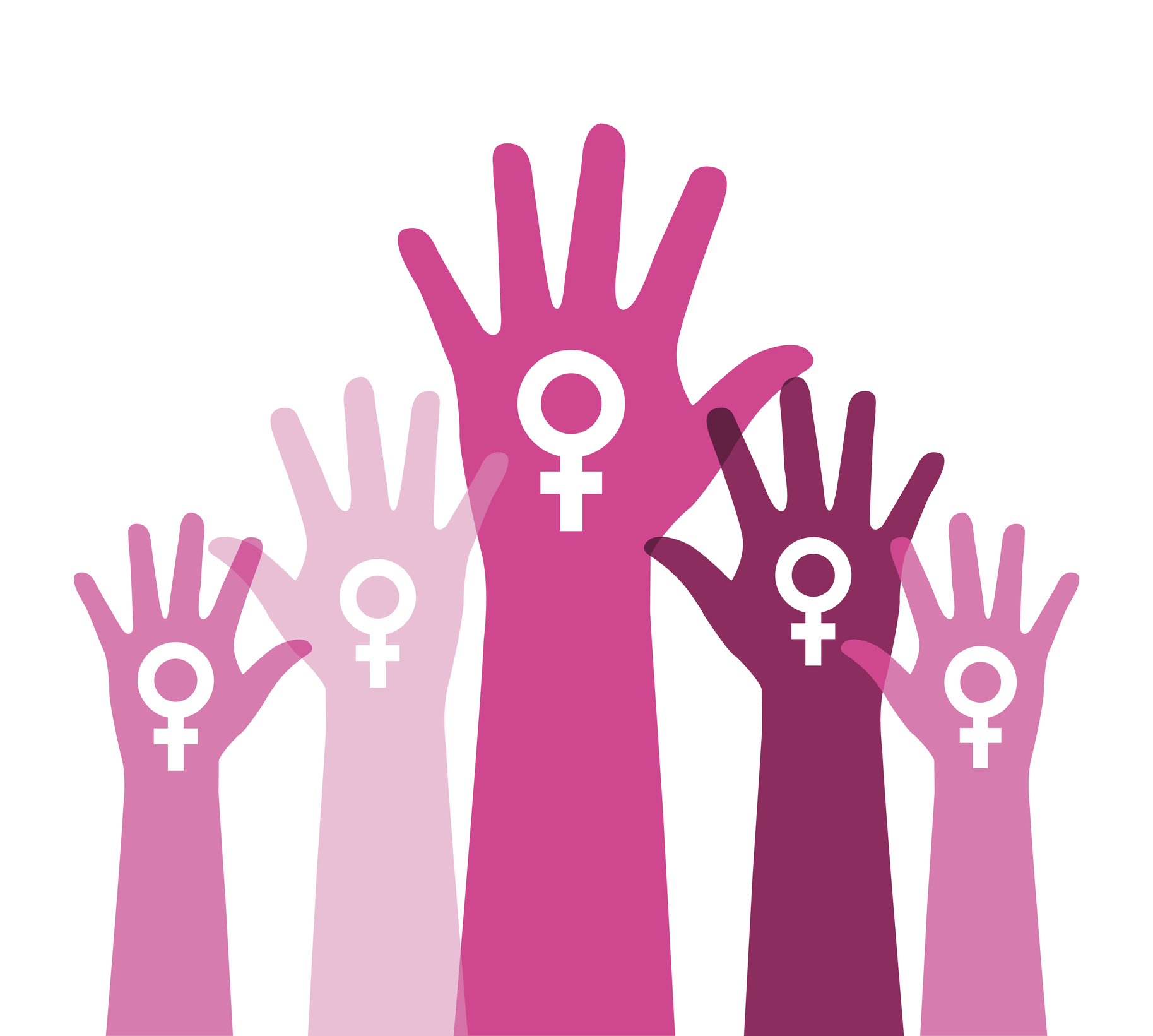
Bell hooks’ “Feminism Is for Everybody” – a deceptively simple title, belying the profound and transformative power contained within its pages. It’s not just a book; it’s a clarion call, echoing through the chambers of patriarchal inertia, demanding a reckoning, a re-evaluation, and ultimately, a revolution. A revolution not of bloodshed, but of consciousness.
But in this era of performative wokeness, where corporations slap a “feminist” label on their products and politicians exploit the rhetoric for votes, does hooks’ foundational text still hold water? Absolutely. Perhaps now more than ever. It remains a vital compass, guiding us through the treacherous waters of co-option, reminding us what true feminist praxis looks like, and who it’s *really* for. It’s a touchstone, a lighthouse cutting through the fog of superficiality.
Let’s excavate the enduring relevance of this crucial text, dissecting its core tenets and understanding why it continues to challenge, provoke, and inspire.
I. Dismantling the Misconceptions: Feminism as a Pariah
Hooks confronts the pervasive misunderstanding of feminism head-on. For too long, the word has been weaponized, twisted into a caricature of man-hating, bra-burning radicalism. This distorted image, propagated by patriarchal forces, serves to dissuade people from engaging with the movement. It’s a deliberate tactic, a smoke screen designed to protect the status quo.
The book acts as a solvent, dissolving these encrusted layers of misinformation. It reveals feminism not as a monolithic ideology of female supremacy, but as a diverse and dynamic movement for gender equality. A movement predicated on the belief that *all* genders deserve liberation from oppressive structures.
The misconception of feminism as anti-male is perhaps the most insidious. Hooks expertly refutes this fallacy, arguing that patriarchy harms men too, albeit in different ways. It constricts their emotional expression, forces them into rigid roles, and perpetuates cycles of violence. Feminism, in essence, offers men an opportunity to break free from these shackles, to embrace a more authentic and fulfilling existence.
II. The Intersectional Imperative: A Woven Tapestry of Oppression
Hooks champions an intersectional approach, acknowledging that gender cannot be isolated from other forms of oppression, such as race, class, and sexual orientation. She argues that feminism must be inclusive of all women, not just those who are privileged and affluent. This is not a mere addendum; it’s the very bedrock of a truly liberatory movement.
Ignoring intersectionality is akin to trying to weave a tapestry with only one thread. The result will be flimsy, incomplete, and ultimately, ineffective.
The experiences of a Black woman, for example, are fundamentally different from those of a white woman. She faces both sexism and racism, creating a unique and compounded form of oppression. A feminist movement that fails to address this reality is not only unjust but also doomed to fail. It will perpetuate the very inequalities it claims to fight against.
Hooks emphasizes the importance of centering the voices of marginalized women, of listening to their experiences, and of incorporating their perspectives into feminist theory and practice. This is not about tokenism; it’s about recognizing the inherent value and wisdom of those who have been historically silenced.
III. Beyond the Binary: Deconstructing Gender Roles
“Feminism Is for Everybody” challenges the rigid binary of masculine and feminine, arguing that these are socially constructed categories that limit our potential. It encourages us to question the expectations placed upon us based on our gender, and to embrace a more fluid and expansive understanding of identity.
Imagine gender as a spectrum, not two opposing poles. Each of us occupies a unique point on that spectrum, and we should be free to express ourselves authentically, without fear of judgment or reprisal.
Hooks deconstructs the traditional notions of “femininity,” exposing them as tools of patriarchal control. She encourages women to reject the pressure to conform to these artificial standards of beauty and behavior, and to embrace their own individuality. Similarly, she challenges men to reject the toxic masculinity that pervades our culture, and to embrace vulnerability and emotional intelligence.
IV. Love as a Revolutionary Force: Cultivating Empathy and Connection
Central to hooks’ vision of feminism is the concept of love – not the sentimental, romanticized version, but a radical and transformative force that can dismantle systems of oppression. She argues that love is an essential ingredient for building a more just and equitable world.
Love, in this context, is not a passive emotion; it’s an active commitment to the well-being of others. It requires empathy, compassion, and a willingness to challenge injustice. It is the antidote to the hatred, division, and violence that plague our society.
Hooks emphasizes the importance of self-love, arguing that we cannot truly love others until we love ourselves. This means accepting ourselves for who we are, flaws and all, and treating ourselves with kindness and respect. It also means prioritizing our own needs and well-being, so that we can be effective agents of change.
V. Education as Empowerment: Knowledge as a Catalyst for Change
Hooks underscores the transformative power of education. Knowledge, she argues, is a weapon against oppression. It empowers us to understand the systems that control us, and to develop strategies for dismantling them.
Education is not merely about acquiring facts and figures; it’s about cultivating critical thinking skills, fostering empathy, and inspiring action. It’s about challenging the dominant narratives and constructing our own.
Hooks advocates for a feminist pedagogy that centers the voices of marginalized students, that encourages critical inquiry, and that promotes social justice. This type of education is not confined to the classroom; it can take place anywhere, anytime, through books, conversations, and activism.
VI. Challenging Capitalism: A Feminist Critique of Economic Inequality
The book extends its critique to capitalism, arguing that it is inherently patriarchal and exploitative. Capitalism, with its emphasis on profit and competition, perpetuates economic inequality and reinforces gender roles.
Hooks calls for a feminist economic agenda that prioritizes the needs of all people, not just the wealthy elite. This agenda would include policies such as universal basic income, affordable healthcare, and paid family leave. It would also challenge the gender pay gap and the devaluation of care work, which is disproportionately performed by women.
A truly feminist society cannot exist within a capitalist framework. We must strive for a more just and equitable economic system that values human life over profit.
VII. Media Literacy: Deconstructing the Patriarchy’s Propaganda Machine
The media, hooks argues, plays a significant role in perpetuating patriarchal norms and stereotypes. It bombards us with images and messages that reinforce traditional gender roles, sexualize women, and normalize violence.
Developing media literacy skills is crucial for deconstructing this propaganda machine. We must learn to critically analyze the messages we consume, to identify the underlying biases, and to resist the pressure to conform to harmful stereotypes.
Hooks encourages us to support alternative media outlets that challenge the dominant narratives and amplify the voices of marginalized communities. We must also use our own voices to create and share counter-narratives that promote feminist values.
VIII. Beyond the Ballot Box: Everyday Acts of Resistance
Feminism, according to hooks, is not just about voting or participating in political rallies. It’s about making conscious choices in our everyday lives that challenge patriarchal norms and values.
This can include anything from speaking out against sexism in the workplace to challenging gender stereotypes in our families to supporting businesses that are committed to gender equality. It’s about living our lives in accordance with our feminist principles, and inspiring others to do the same.
Every act of resistance, no matter how small, can contribute to a larger transformation. It’s about creating a ripple effect, inspiring others to question, to challenge, and to create a more just and equitable world.
IX. The Ongoing Evolution: Embracing Change and Adaptation
Feminism is not a static ideology; it is a constantly evolving movement that must adapt to changing circumstances. What was relevant in the past may not be relevant today.
Hooks emphasizes the importance of remaining open to new ideas and perspectives, and of being willing to challenge our own assumptions. She encourages us to engage in ongoing dialogue and debate, to learn from each other, and to refine our understanding of feminism.
The future of feminism depends on our ability to embrace change and to remain committed to the pursuit of social justice. We must be willing to challenge the status quo, to disrupt the established power structures, and to create a world where all genders can thrive.
In conclusion, “Feminism Is for Everybody” is not just a book for feminists; it’s a book for *everyone*. It’s a book for anyone who believes in equality, justice, and love. It’s a book that can transform not only our understanding of feminism but also our understanding of ourselves and the world around us. Its enduring relevance lies in its unwavering commitment to inclusivity, its incisive critique of power structures, and its profound belief in the transformative power of love and knowledge. It remains a vital guide in our ongoing quest for a more just and equitable future. Its wisdom is as potent today as it was upon its initial release, a beacon in the turbulent sea of societal change.





Leave a Comment