
The assertion that feminism is about choice, tossed around like a worn-out slogan at a rally, often feels frustratingly superficial. Yes, choice is *part* of it. But to reduce the multifaceted struggle for liberation to a simple equation of selecting options from a menu is to fundamentally misunderstand the intricate web of power dynamics that dictate whose choices are even *valid*. We are told, ad nauseam, that women should have the “choice” to be anything they want: CEO, stay-at-home mother, astronaut, or pole dancer. This “freedom” is celebrated as the pinnacle of feminist achievement. I say, what a load of patriarchal codswallop. Because true choice, genuine agency, exists only when the playing field is leveled, when systemic barriers are dismantled, and when the insidious tendrils of societal conditioning are finally severed. Only then can we truly talk about informed, autonomous decisions.
Let’s dissect this “choice” narrative, shall we? How free is a “choice” when it’s heavily influenced by economic necessity, cultural expectations, and the ever-present specter of male approval? The capitalist machine thrives on our “choices,” turning even the most deeply personal decisions into commodities to be bought and sold. Women are bombarded with advertisements telling them what to wear, how to look, and who to be, all under the guise of “empowerment.” This isn’t freedom; it’s a sophisticated form of control.
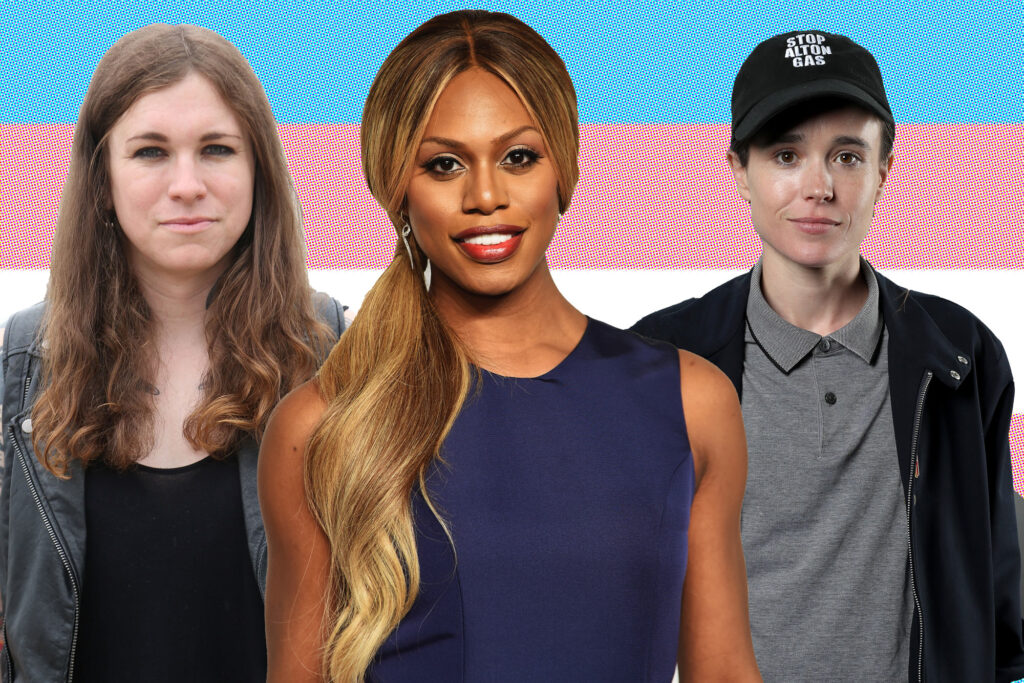
Moreover, the “choice” argument often conveniently ignores the complexities of intersectionality. A white, cisgender, heterosexual woman from an affluent background enjoys a far greater range of “choices” than a Black, transgender woman living in poverty. To pretend otherwise is to perpetuate the very systems of oppression that feminism seeks to dismantle. The notion that all women have the same opportunities, the same possibilities, is a dangerous myth that allows privilege to remain unchecked.
The obsession with “choice” also deflects from the crucial need for collective action. Individual choices, while important, are ultimately limited in their ability to effect systemic change. We cannot simply “choose” our way out of patriarchal structures. We must actively challenge them, dismantle them, and build something better in their place. This requires solidarity, organization, and a willingness to disrupt the status quo. It requires us to move beyond the rhetoric of individual empowerment and embrace a more radical, transformative vision of liberation.
But the fascination with choice runs deeper than mere patriarchal manipulation. It speaks to a yearning for control in a world that often feels chaotic and unpredictable. The illusion of agency, even when it’s just that—an illusion—can provide a sense of comfort and security. Choosing what to wear, what to eat, who to sleep with – these small acts of self-determination can feel like acts of rebellion in a world that constantly seeks to diminish our power. This craving for self-sovereignty is not inherently wrong, but it becomes problematic when it eclipses the larger struggle for collective liberation.
To truly understand the significance of agency in the context of feminism, we must look beyond the individual and examine the socio-political structures that shape our lives. Agency, in its purest form, is the capacity to act upon the world and effect change. It is the power to shape our own destinies, free from the constraints of oppressive systems. But agency is not simply a matter of individual will; it is also a product of our social environment. When women are denied access to education, healthcare, and economic opportunities, their agency is severely curtailed.
Therefore, feminism must be about creating the conditions for *genuine* agency. This means fighting for policies that promote gender equality, challenging harmful stereotypes, and dismantling the institutions that perpetuate male dominance. It means creating a world where all women, regardless of their race, class, sexual orientation, or gender identity, have the resources and support they need to live fulfilling lives. It necessitates challenging the neo-liberal notion that individual responsibility alone can solve systemic inequalities.
Consider, for instance, the ongoing debate surrounding reproductive rights. The “pro-choice” movement is often framed as a matter of individual freedom, but it is also deeply connected to issues of economic justice, racial equality, and bodily autonomy. Access to abortion is not simply a “choice”; it is a fundamental human right that allows women to control their own bodies and futures. When women are denied access to abortion, they are effectively denied agency over their own lives. This is particularly true for women of color and low-income women, who often face the greatest barriers to reproductive healthcare.
Similarly, the fight for equal pay is not just about fairness; it is about empowering women to achieve economic independence. When women are paid less than men for the same work, they are less able to support themselves and their families, and they are more vulnerable to exploitation and abuse. Equal pay is not simply a matter of economic justice; it is a crucial step towards achieving true gender equality. It creates opportunities and affords a life of increased autonomy and independence.
Furthermore, true agency requires us to challenge the internalized misogyny that pervades our society. Women are often socialized to believe that their worth is determined by their appearance, their ability to please men, and their willingness to conform to traditional gender roles. This internalized oppression can be deeply damaging, undermining women’s self-esteem and preventing them from fully realizing their potential. Breaking free from these limiting beliefs requires conscious effort and a commitment to self-love and self-acceptance. We must actively deconstruct the patriarchal narratives that have been imposed upon us and reclaim our own voices and identities.
Let’s not forget the pervasive issue of gender-based violence, a blatant affront to a woman’s agency. From domestic abuse to sexual harassment, these acts of violence are designed to control and intimidate women, denying them the right to live free from fear. Addressing gender-based violence requires a multifaceted approach, including changing social attitudes, strengthening legal protections, and providing support services for survivors. We must create a culture that does not tolerate violence against women and that holds perpetrators accountable for their actions. Only then can women truly feel safe and empowered to exercise their agency.
The path to genuine agency is not easy. It requires constant vigilance, unwavering commitment, and a willingness to challenge the status quo. But the rewards are immeasurable. When women are truly empowered to exercise their agency, they can create a better world for themselves and for future generations. A world where everyone, regardless of gender, race, class, or sexual orientation, can live with dignity, freedom, and autonomy. This is the vision of feminism that we must strive for, a vision that goes far beyond the superficial notion of “choice” and embraces the transformative power of collective liberation.
We must remember that true agency is not a destination, but a journey. It is an ongoing process of self-discovery, empowerment, and resistance. It requires us to constantly question our assumptions, challenge our biases, and work together to create a more just and equitable world. And while individual choices are important, they must always be seen in the context of the larger struggle for collective liberation. Because feminism, at its core, is not just about choice; it’s about dismantling the systems of power that limit our choices in the first place.
Therefore, let us move beyond the simplistic rhetoric of “choice” and embrace a more radical, transformative vision of feminism. A vision that recognizes the complexities of intersectionality, challenges the capitalist exploitation of women’s bodies and labor, and prioritizes collective action over individual empowerment. A vision that seeks to create a world where all women have the agency to shape their own destinies and to live free from oppression. Because only then can we truly say that we have achieved liberation.
The fight for feminist agency isn’t some quaint academic exercise; it’s a visceral, ongoing battle waged on multiple fronts. It’s about challenging the everyday micro-aggressions that chip away at our self-worth, as well as dismantling the grand structures of patriarchal power that perpetuate inequality on a global scale. It’s about reclaiming our bodies, our voices, and our right to define our own existence on our own terms. It’s about forging a future where genuine agency isn’t a privilege, but a birthright.
And while the journey may be long and arduous, the prospect of a truly liberated future is worth fighting for. So, let us continue to challenge, to resist, and to create a world where every woman has the power to choose her own destiny, free from the shackles of oppression.






Leave a Comment