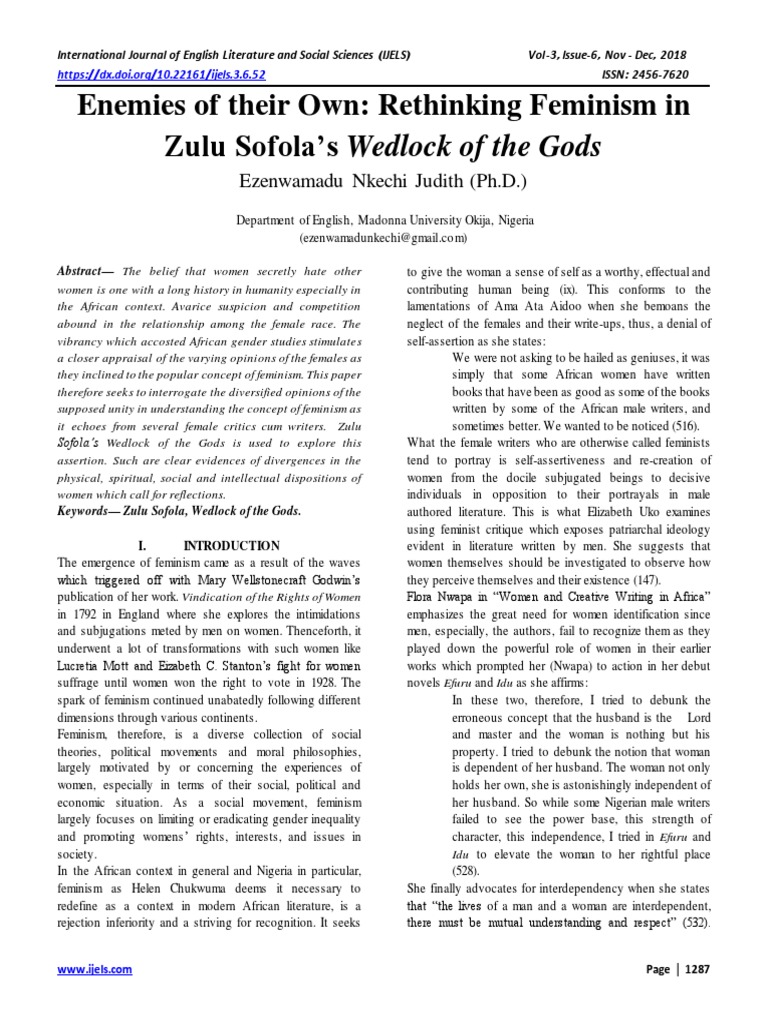
The architecture of the human mind, once a seemingly immutable edifice, is now undergoing a seismic shift. Traditional psychology, built on foundations cemented by predominantly male perspectives, has long presented a skewed, incomplete picture of the human experience. Feminism in psychology emerges not merely as a corrective lens, but as a wrecking ball, demolishing outdated assumptions and erecting a new paradigm, one that acknowledges and celebrates the profound impact of gender on the very fabric of our cognitive and emotional lives. It’s a call to excavate the buried histories, to amplify silenced voices, and to fundamentally redefine what it means to be human.
At its core, feminist psychology questions the neutrality of psychological research and theory. The vaunted “objective” observer, it argues, is often unconsciously influenced by societal biases, leading to the pathologization of women’s experiences and the normalization of male behaviors. Think of hysteria, a diagnosis historically applied almost exclusively to women, its symptoms mirroring the frustrations of being confined within patriarchal constraints. This wasn’t science; it was social control masquerading as medicine.
Deconstructing the Damsel: Challenging Traditional Psychological Theories
Freudian psychoanalysis, a cornerstone of early psychology, offers a prime example of gender bias. Freud’s theories, saturated with phallocentric viewpoints, posit the penis as the ultimate symbol of power and completeness. Women, in this framework, are defined by their supposed “penis envy,” forever striving to attain what they inherently lack. This ludicrous notion, while widely debunked, has had a lingering impact on our understanding of female psychology, reinforcing the idea of women as deficient and incomplete. A more nuanced understanding emerges from feminist critiques. They reveal that so-called penis envy could be interpreted as something much more complex – a metaphor for the societal power and privilege associated with masculinity. The ‘envy’ might not be for the organ itself, but for the opportunities and respect afforded to those who possess it.
Similarly, traditional theories of moral development, such as Kohlberg’s stages of moral reasoning, have been criticized for prioritizing abstract principles of justice over the ethic of care, often associated with women’s moral decision-making. The implication, however subtle, is that women’s moral compass is somehow inferior, less evolved. Feminist scholars like Carol Gilligan challenged this paradigm, arguing that the ethic of care, rooted in empathy and relationship, represents a distinct and equally valid approach to morality. It is not that women are morally deficient, but rather, that their moral sensibilities are shaped by different social experiences and expectations.
The Labyrinth of Language: Gendered Communication and Its Consequences
Language, the very vehicle of thought, is far from neutral. It is a landscape riddled with gendered biases, shaping our perceptions and reinforcing societal power dynamics. Consider the prevalence of male pronouns used to represent humanity in general. This seemingly innocuous convention subtly reinforces the idea of men as the default human, relegating women to the status of “other.”
Moreover, studies have shown that men and women are often evaluated differently based on their communication styles. Assertive men are lauded as leaders, while assertive women are often labeled as “aggressive” or “bitchy.” This double standard creates a linguistic minefield for women, forcing them to navigate a narrow path between being perceived as competent and being perceived as likeable. The consequences of this linguistic inequality are far-reaching, impacting women’s career opportunities, political representation, and overall sense of self-worth.
Beyond the Binary: Embracing Intersectionality and Fluidity
Feminist psychology is not monolithic. It encompasses a diverse range of perspectives, each contributing to a richer, more nuanced understanding of gender and its impact. One of the most crucial developments has been the embrace of intersectionality, a framework that recognizes the interconnected nature of social categorizations such as race, class, and sexual orientation. Intersectionality acknowledges that gender is not experienced in isolation, but is always shaped by other aspects of identity.
A Black woman, for example, faces a unique set of challenges that are distinct from those faced by white women or Black men. Her experiences are shaped by the intersection of racism and sexism, creating a specific form of oppression that cannot be fully understood through a single-axis analysis. Intersectionality compels us to move beyond simplistic binary oppositions and to recognize the complex interplay of power dynamics that shape individual lives.
Furthermore, feminist psychology is increasingly embracing the concept of gender fluidity, recognizing that gender identity is not necessarily fixed or binary. Transgender and non-binary individuals challenge traditional notions of gender, pushing us to question the very foundations of our understanding. This perspective demands a radical shift in our thinking, moving away from rigid categories and towards a more inclusive and affirming view of human diversity.
The Wounds of Patriarchy: Trauma, Violence, and Mental Health
Patriarchal structures leave deep scars on the psyche. Feminist psychology sheds light on the pervasive impact of gender-based violence, sexual harassment, and other forms of oppression on women’s mental health. Trauma, often silenced and minimized, is brought into the forefront, recognized as a significant factor in shaping women’s psychological well-being.
The rates of depression, anxiety, and post-traumatic stress disorder are disproportionately high among women, particularly those who have experienced violence or discrimination. Feminist therapists offer a unique approach to healing, providing a safe and supportive space for women to explore their experiences, challenge internalized oppression, and reclaim their power. This approach emphasizes the importance of social context, recognizing that individual distress is often rooted in systemic inequalities.
Reclaiming the Narrative: Empowering Women Through Psychology
Feminist psychology is not simply about identifying problems; it is about empowering women to reclaim their narratives and to create their own definitions of self. It is about challenging the dominant culture’s messages about what it means to be a woman and about fostering a sense of agency and self-worth.
This empowerment takes many forms. It involves challenging internalized sexism, the insidious belief that women are inherently inferior to men. It involves building supportive communities where women can share their experiences and challenge isolation. And it involves advocating for social change, working to dismantle the patriarchal structures that perpetuate inequality.
The Future is Fluid: A Call to Action
The journey towards a truly feminist psychology is far from over. It requires ongoing critical reflection, a willingness to challenge our own biases, and a commitment to creating a more just and equitable world. We must continue to deconstruct outdated theories, amplify marginalized voices, and embrace the complexity and fluidity of gender.
The future of psychology lies in embracing a feminist perspective, one that recognizes the profound impact of gender on the human mind and one that empowers all individuals to reach their full potential. This is not just a matter of academic interest; it is a matter of social justice. It’s a call to arms, an invitation to dismantle the status quo, and a promise of a more liberated future.
Let us strive to create a psychology that celebrates the diversity of human experience, that recognizes the inherent worth of all individuals, and that empowers us to build a world where everyone can thrive, free from the constraints of gender stereotypes and oppression. The mind is not a static entity, but a dynamic landscape shaped by culture, experience, and the ever-evolving understanding of self. Feminism offers us the compass to navigate this landscape, ensuring that we chart a course towards a more equitable and just horizon.







Leave a Comment