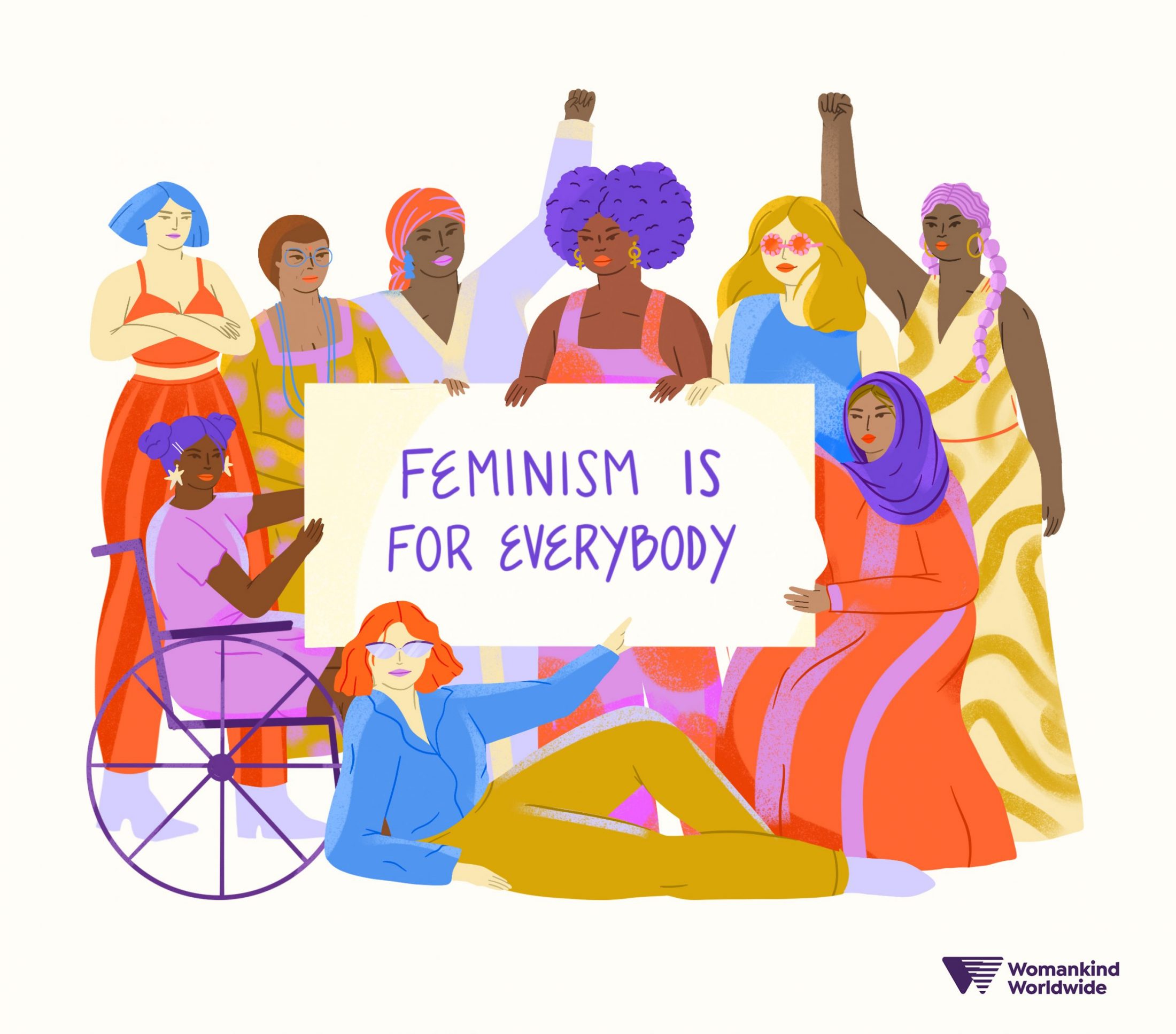
Feminism. The very word can ignite a firestorm, a whirlwind of opinions and misinterpretations. Is it a rigid ideology, a set of unwavering principles dictating every aspect of existence? Or is it simply a quest for fundamental human rights, a leveling of the playing field so glaringly tilted against half the population? Perhaps, it’s something far more nuanced, more expansive, something that demands we dismantle the limiting confines of these simplistic labels.
Let’s delve into the labyrinthine depths of this multifaceted concept. Let’s challenge the preconceived notions and dismantle the straw-man arguments that perpetually plague the discourse. Prepare to question everything you thought you knew about feminism, because the truth, as always, is far more complex and captivating than any single definition can contain.
I. Deconstructing the “Ideology” Accusation: Beyond the Caricature
The accusation that feminism is merely an “ideology” often carries a negative connotation, implying a dogmatic adherence to a rigid set of beliefs, a closed-minded resistance to dissenting viewpoints. This characterization, however, is a gross oversimplification, a deliberate distortion of the vibrant tapestry that constitutes feminist thought.
- The Myth of Monolithic Feminism: Feminism is not a singular, monolithic entity. It encompasses a diverse array of perspectives, schools of thought, and approaches, each grappling with the complexities of gender inequality in its own unique way. From intersectional feminism, recognizing the interwoven nature of oppression based on race, class, sexuality, and other factors, to eco-feminism, linking the domination of women with the exploitation of the natural world, the landscape of feminist thought is vast and varied. To paint it with a single brush is not only inaccurate but intellectually dishonest.
- Challenging the Status Quo: At its core, feminism is a critique of power structures, an interrogation of the societal norms and institutions that perpetuate gender inequality. This inherent skepticism towards the status quo is often misconstrued as ideological rigidity. However, questioning existing power dynamics is not dogma; it is a necessary precondition for social progress, for dismantling the systemic barriers that prevent women from achieving their full potential.
- The Problem with Labeling: The very act of labeling feminism as an “ideology” serves to marginalize it, to dismiss it as just another set of beliefs, no more valid or deserving of attention than any other. This tactic effectively silences the voices of those who have been historically marginalized and reinforces the very power structures that feminism seeks to dismantle.
Feminism, in its most authentic form, is not about imposing a pre-determined set of answers. It’s about asking the right questions, challenging the prevailing narratives, and fostering a critical awareness of the insidious ways in which gender inequality manifests itself in our lives. It’s about empowering individuals to think for themselves, to question the assumptions they have always taken for granted, and to forge their own paths towards liberation.
II. Feminism as a Rights Movement: A Necessary but Insufficient Framework
Defining feminism solely as a “rights movement” is undoubtedly a more accurate portrayal than reducing it to a mere ideology. The fight for equal rights – the right to vote, the right to own property, the right to equal pay, the right to bodily autonomy – has been a central tenet of feminist activism for centuries. However, framing feminism exclusively in terms of rights runs the risk of overlooking its deeper, more transformative potential.
- Beyond Legal Equality: Securing legal rights is undeniably crucial, but it is merely the first step. True equality requires a profound shift in societal attitudes, cultural norms, and power dynamics. Laws can be changed, but deeply ingrained biases and prejudices are far more resistant to reform. Feminism must extend beyond the legal realm and address the systemic inequalities that permeate every aspect of our lives.
- The Illusion of Individualism: A focus solely on individual rights can inadvertently reinforce the very individualistic worldview that often underpins capitalist exploitation. Feminism must recognize the interconnectedness of all forms of oppression and advocate for collective liberation, for a society that prioritizes the well-being of all its members, not just a select few.
- The Limitations of Liberal Feminism: Liberal feminism, which focuses primarily on achieving equality within the existing framework of capitalist society, has been criticized for its limited scope and its failure to address the root causes of gender inequality. While advocating for equal opportunities is important, it is not enough to dismantle the patriarchal structures that underpin the entire system.
The pursuit of equal rights is a necessary but insufficient condition for achieving true gender equality. Feminism must transcend the limitations of a purely rights-based framework and embrace a more holistic, transformative vision, one that challenges the underlying power dynamics and seeks to create a more just and equitable society for all.
III. Something More: Feminism as a Catalyst for Societal Transformation
So, if feminism is neither solely an ideology nor merely a rights movement, what is it? Perhaps, it’s something far more profound, far more revolutionary: a catalyst for societal transformation, a force that challenges the very foundations of our civilization and seeks to create a more just, equitable, and sustainable future for all.
- Challenging Patriarchal Structures: At its core, feminism is a challenge to patriarchy, the system of social structures and beliefs that privileges men and subordinates women. This critique extends beyond individual acts of sexism and addresses the systemic inequalities that are embedded in our institutions, our laws, and our cultural norms.
- Reimagining Gender Roles: Feminism seeks to dismantle the rigid and limiting gender roles that have historically confined both men and women. It envisions a society where individuals are free to express themselves authentically, regardless of their gender identity, and where traditional notions of masculinity and femininity are deconstructed and redefined.
- Promoting Intersectionality: True feminism recognizes the interconnectedness of all forms of oppression and actively works to dismantle them. It acknowledges that women are not a monolithic group and that their experiences are shaped by a complex interplay of factors, including race, class, sexuality, disability, and other identities.
- Embracing Collective Liberation: Feminism is not just about the liberation of women; it’s about the liberation of all people. It recognizes that the fight against gender inequality is inextricably linked to the fight against all forms of oppression and that true liberation requires a collective effort, a solidarity that transcends all boundaries.
- Beyond Binary Thinking: Feminism challenges the very notion of binary thinking, the tendency to categorize the world into opposing pairs, such as male/female, rational/emotional, active/passive. It seeks to deconstruct these binary oppositions and to embrace a more fluid, nuanced understanding of gender, identity, and the human experience.
Feminism, at its most radical and transformative, is not just about achieving equality within the existing system; it’s about fundamentally changing the system itself. It’s about creating a world where justice, equality, and sustainability are not just abstract ideals but lived realities for all. It’s about dismantling the scaffolding of oppression. It’s about reimagining our relationship with each other, with the planet, and with ourselves.
IV. The Ongoing Evolution of Feminist Thought: A Never-Ending Journey
The journey of feminism is far from over. It is a constantly evolving process, a continuous dialogue, a relentless pursuit of justice and equality. As society changes, so too must feminist thought adapt and evolve to address the new challenges and complexities that arise.
- Addressing New Challenges: From the rise of online misogyny to the increasing challenges posed by climate change, feminism must continue to address the new and evolving threats to gender equality. It must be vigilant in identifying and dismantling the new forms of oppression that emerge in the digital age and beyond.
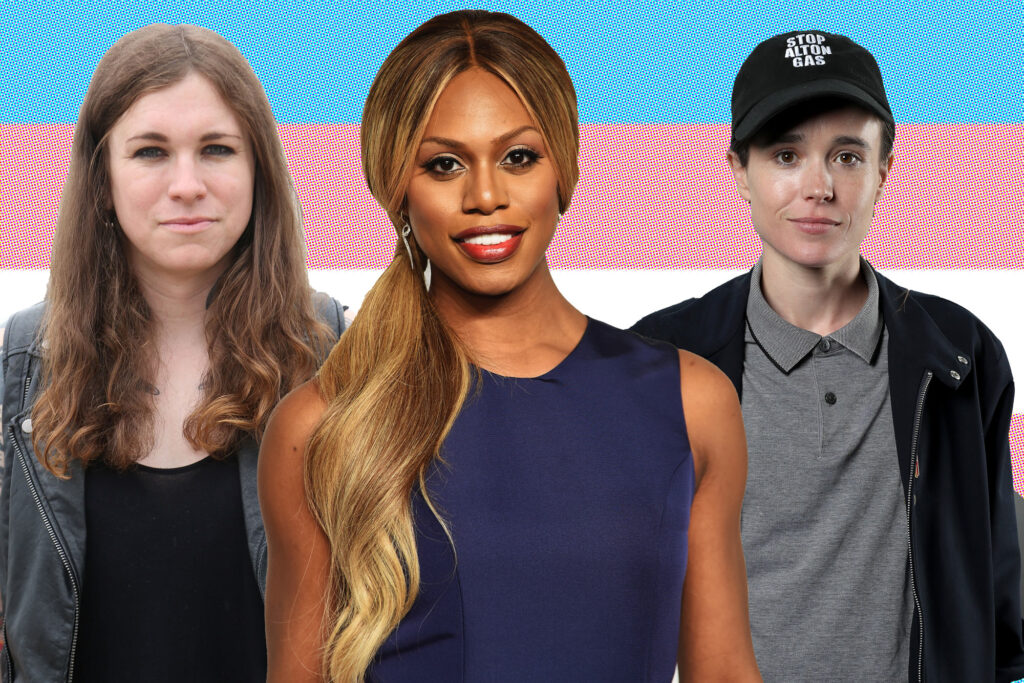
- Embracing Trans Inclusion: Transgender rights are an integral part of the feminist struggle. Trans women are women, and their experiences and perspectives must be valued and respected. Feminism must actively work to create a welcoming and inclusive space for all transgender individuals.
- Centering Marginalized Voices: Feminism must continue to center the voices of those who have been historically marginalized, including women of color, LGBTQ+ individuals, disabled women, and other underrepresented groups. Their experiences and perspectives are essential for creating a truly intersectional and inclusive feminist movement.
- Promoting Global Solidarity: The fight for gender equality is a global struggle. Feminism must promote solidarity across borders and work to support women’s rights movements around the world. It must recognize that the challenges facing women in different parts of the world are often interconnected and require a coordinated global response.
The future of feminism lies in its ability to adapt, evolve, and embrace new perspectives. It requires a willingness to challenge our own assumptions, to listen to the voices of those who have been historically marginalized, and to work together to create a more just and equitable world for all.
So, is feminism an ideology, a rights movement, or something more? The answer, as you now hopefully appreciate, is a resounding “yes” to all three, but also something that transcends them all. It is a living, breathing, evolving force that has the power to transform not only our individual lives but the very fabric of our society. It’s a call to action, an invitation to participate in the ongoing struggle for a more just and equitable world. Are you ready to answer the call? Or will you remain entrenched in the limiting confines of outdated labels and preconceived notions?






Leave a Comment