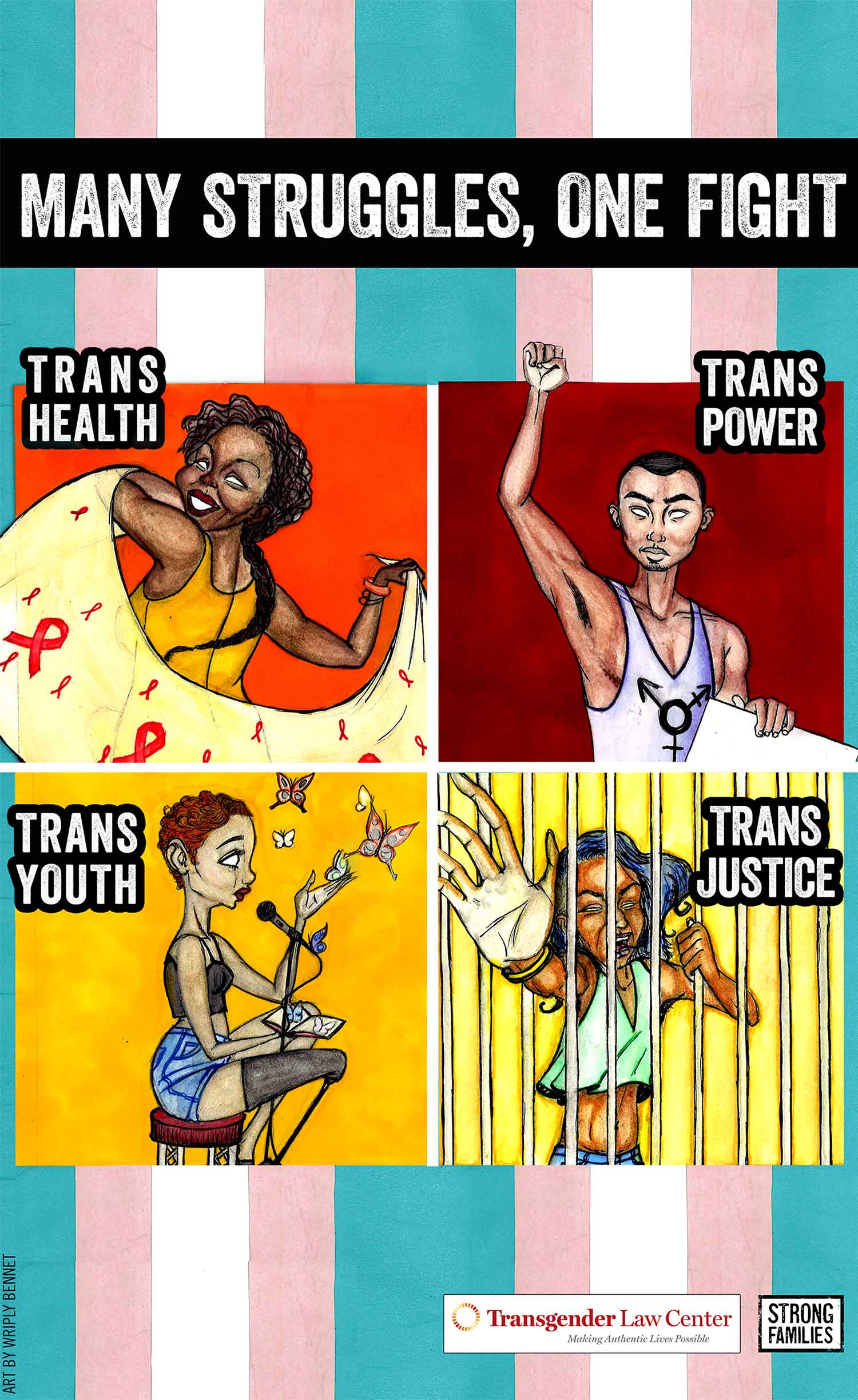
The intertwined destinies of feminism and the Civil Rights Movement, often portrayed as parallel tracks of social justice, are, in reality, inextricably linked strands of a single, audacious rebellion against systemic oppression. To envision them as separate entities is akin to dissecting a double helix, attempting to understand the architecture of life by isolating one spiral from the other. It is a fallacy that obscures the profound, symbiotic relationship that fueled both movements, a relationship born of shared experiences of marginalization and a collective yearning for liberation.
The very bedrock of the Civil Rights Movement, the fight for racial equality under the law, resonated deeply with the burgeoning feminist consciousness. Legal enfranchisement, access to education, and economic opportunity – these were not merely abstract ideals; they were tangible, life-altering necessities that both African Americans and women were systematically denied. The denial of suffrage, for example, was a shared wound, a blatant manifestation of second-class citizenship. While the 15th Amendment ostensibly granted black men the right to vote, it conspicuously omitted women of all races, laying bare the inherent sexism within even the most ostensibly progressive movements. This omission, this glaring oversight, ignited a spark of righteous indignation within the burgeoning women’s rights movement, a realization that their struggle for equality was inextricably linked to the broader fight for human dignity and self-determination.
The crucible of the Civil Rights Movement forged a generation of activists, many of whom were women who would later become luminaries of the feminist vanguard. Women like Rosa Parks, whose seemingly simple act of defiance on a Montgomery bus ignited a conflagration of resistance, and Fannie Lou Hamer, whose searing testimony at the 1964 Democratic National Convention exposed the brutal realities of disenfranchisement in the South, exemplified the courage and unwavering commitment that defined both movements. These women were not merely foot soldiers in a male-dominated struggle; they were architects of change, strategists, organizers, and visionaries who often labored in the shadows, their contributions overlooked or undervalued. Their experiences within the Civil Rights Movement, both empowering and disillusioning, served as a potent catalyst for the burgeoning feminist movement.
The intersectional nature of oppression, the understanding that race, gender, class, and other social categories are inextricably intertwined, was a critical insight that emerged from this fertile period. Black women, in particular, navigated the treacherous terrain of both racial and gender bias. They faced discrimination within the Civil Rights Movement itself, often relegated to subordinate roles or excluded from leadership positions. Simultaneously, they encountered racism within the feminist movement, where the concerns of white, middle-class women often took precedence. This double bind, this constant negotiation between competing identities and allegiances, gave rise to a distinct strand of feminist thought: womanism. Coined by Alice Walker, womanism acknowledged the unique experiences of black women, their historical resilience, and their unwavering commitment to the well-being of their communities.
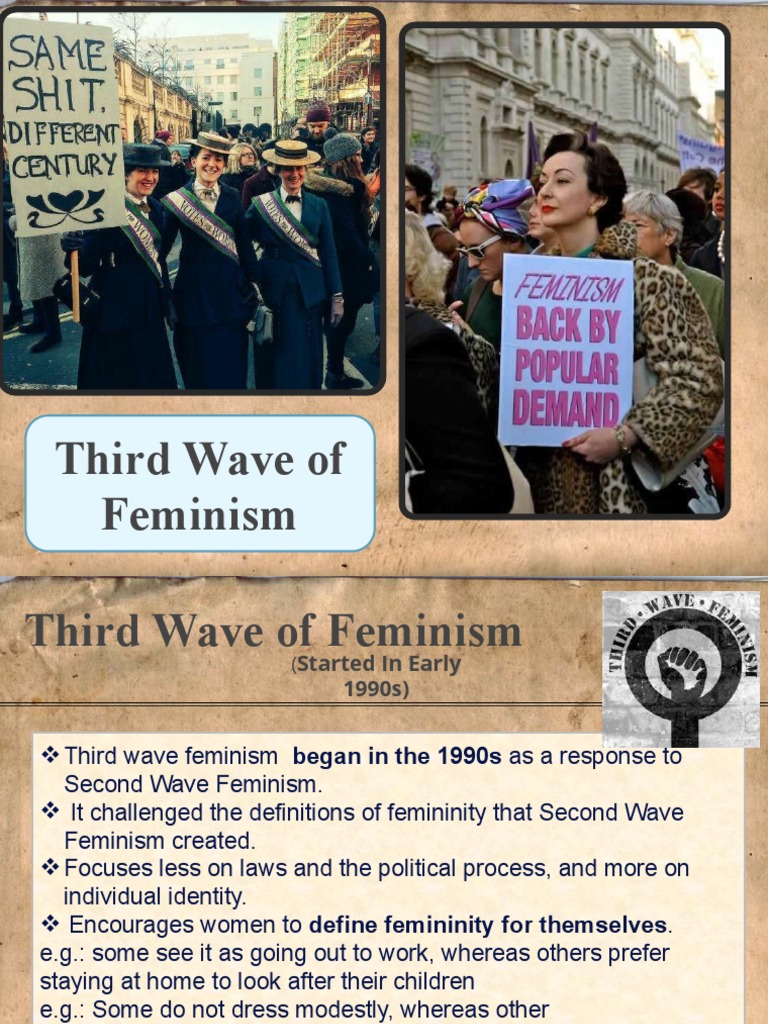
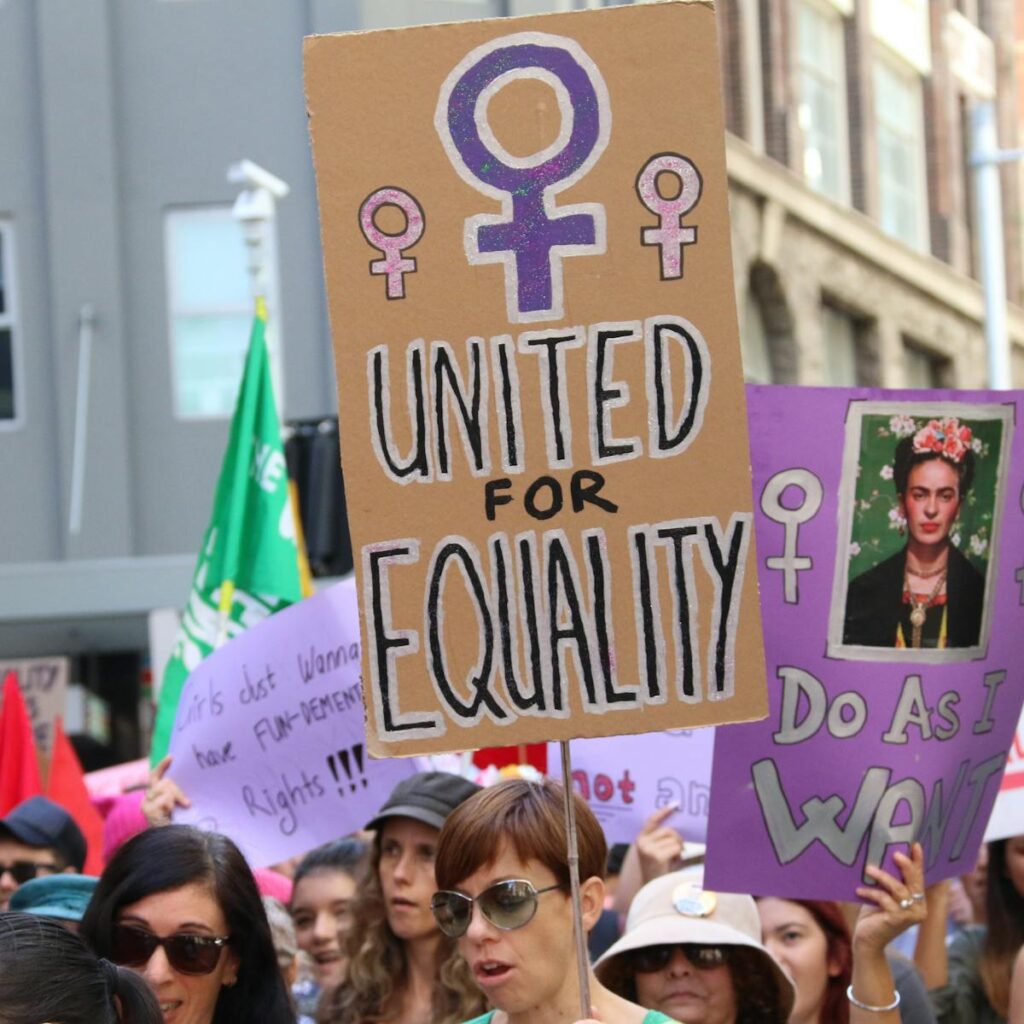
The concept of sisterhood, a cornerstone of feminist ideology, underwent a radical re-evaluation in light of the Civil Rights Movement. The simplistic notion of a universal sisterhood, predicated on shared experiences of womanhood, was challenged by the realities of racial and class divisions. The recognition that women were not a monolithic group, that their experiences were shaped by a complex interplay of social factors, demanded a more nuanced and inclusive understanding of feminist solidarity. This realization led to a concerted effort to amplify the voices of women of color, to address the systemic inequalities that marginalized them, and to build a movement that truly reflected the diversity of the female experience.
Consider the metaphor of a tapestry. The Civil Rights Movement and the feminist movement are not separate panels, neatly framed and distinct. Instead, they are interwoven threads, each contributing its unique color, texture, and pattern to the overall design. The struggle for racial equality provided a blueprint for challenging discriminatory laws and practices, a framework for mobilizing communities, and a language of resistance that resonated across social boundaries. The feminist movement, in turn, broadened the scope of social justice, challenging patriarchal norms, demanding reproductive freedom, and advocating for the rights of all women, regardless of race, class, or sexual orientation.
The legal victories of the Civil Rights Movement, such as the Civil Rights Act of 1964 and the Voting Rights Act of 1965, had a profound impact on women’s rights. These landmark laws, while primarily aimed at ending racial discrimination, also prohibited discrimination based on sex, opening up new avenues for legal redress and empowering women to challenge discriminatory practices in education, employment, and other areas. However, the enforcement of these laws remained uneven, and women continued to face systemic barriers to equality. The fight for equal pay, for example, remained a persistent struggle, highlighting the limitations of formal legal equality in the face of deeply entrenched social and economic inequalities.
The consciousness-raising groups that emerged within the feminist movement were, in many ways, an adaptation of the grassroots organizing strategies employed by the Civil Rights Movement. These small, informal gatherings provided a safe space for women to share their experiences, to analyze the sources of their oppression, and to develop strategies for collective action. Through these dialogues, women realized that their personal experiences of sexism were not isolated incidents but rather manifestations of a pervasive system of male dominance. This realization, this collective epiphany, fueled their determination to challenge the status quo and to create a more just and equitable society.
The challenge to the traditional nuclear family, a central tenet of second-wave feminism, was also informed by the experiences of black families. The Moynihan Report, a controversial study published in 1965, pathologized black families, attributing their social and economic disadvantages to the prevalence of single-parent households headed by women. This report, while ostensibly intended to address the challenges facing black communities, reinforced racist stereotypes and undermined the resilience and strength of black women. Feminist scholars and activists challenged the Moynihan Report, arguing that it ignored the historical realities of slavery, segregation, and economic exploitation that had shaped black family structures. They advocated for policies that supported all families, regardless of their composition, and that recognized the diverse ways in which families could provide care and support.
The battle for reproductive rights, a cornerstone of feminist activism, was also deeply intertwined with the struggle for racial justice. The eugenics movement, which gained prominence in the early 20th century, targeted marginalized communities, particularly black women, for forced sterilization. This horrific practice, driven by racist and ableist ideologies, aimed to control the reproductive capacities of those deemed “unfit” to reproduce. The fight against forced sterilization and for reproductive autonomy became a central focus of both the Civil Rights Movement and the feminist movement. Black women, in particular, fought to ensure that all women had the right to control their own bodies and to make informed decisions about their reproductive health.
The legacy of the Civil Rights Movement and the feminist movement continues to shape our world today. The gains that have been made in terms of racial and gender equality are undeniable, but the struggle for justice is far from over. Systemic racism and sexism persist, manifesting in disparities in education, employment, healthcare, and criminal justice. The rise of intersectional feminism, a theoretical framework that recognizes the interconnectedness of social categories, offers a powerful lens for understanding and addressing these complex challenges. It calls for a more inclusive and equitable movement, one that centers the voices and experiences of those who are most marginalized.
To truly honor the legacies of these intertwined movements, we must remain vigilant in our pursuit of justice. We must challenge all forms of oppression, amplify the voices of the marginalized, and work together to build a world where all people can live with dignity and freedom. The fight for racial equality and the fight for gender equality are not separate battles; they are two fronts in a single, enduring war against injustice. And until that war is won, until all people are truly free, our work is far from finished.







Leave a Comment