Ever wondered if dismantling the patriarchy could actually improve your brunch options? Let’s dive into feminism, a multifaceted, often misunderstood, intellectual and activist juggernaut that has reshaped societal norms, challenged power structures, and continues to ignite (sometimes uncomfortable) conversations globally. Prepare to be provoked.
I. Deconstructing the Foundations: What is Feminism, Really?
Feminism, at its core, isn’t about bra-burning (although, metaphorically, it sometimes is). It’s about the unwavering belief in the social, political, and economic equality of the sexes. A seemingly simple concept, but one that unravels centuries of entrenched bias and systemic inequity. Different strands of feminism offer diverse pathways to achieving this equality, acknowledging the complex intersections of gender with race, class, sexuality, and other identity markers. Understanding this inherent heterogeneity is crucial. To paint feminism with a single, homogenous brushstroke is not only inaccurate, it’s intellectually lazy.
II. The First Wave: Suffrage and Seeds of Discontent (Late 19th – Early 20th Century)
The first wave of feminism, primarily focused on achieving legal and political equality, was the crucible where the movement’s initial fire was forged. Suffrage, the right to vote, became the rallying cry. Women like Susan B. Anthony and Emmeline Pankhurst, icons of the era, spearheaded relentless campaigns, facing imprisonment, ridicule, and violent opposition. But the fight was about more than just the ballot box. It was about dismantling the legal doctrines of coverture, where a married woman’s legal existence was subsumed by her husband’s. It sought to give women control over their property, their bodies, and their futures. This wave, though largely centered on the experiences of white, middle-class women, laid the groundwork for subsequent feminist movements. Let’s acknowledge the significant gaps in inclusivity while appreciating the monumental achievements.
III. The Second Wave: Personal is Political (1960s – 1980s)
The second wave erupted in the 1960s and 70s, fueled by the Civil Rights Movement and the burgeoning counterculture. This era witnessed a radical shift in focus, moving beyond legal rights to address the deeply entrenched societal and cultural norms that perpetuated gender inequality. “The personal is political” became a mantra, highlighting how seemingly private experiences, such as domestic labor, reproductive rights, and sexual harassment, were inextricably linked to broader power structures. Betty Friedan’s *The Feminine Mystique* ignited a firestorm, exposing the widespread discontent and existential angst felt by women trapped in the confines of domesticity. Radical feminists, like Shulamith Firestone, called for a complete restructuring of society to eliminate gender hierarchies. This wave saw the emergence of crucial achievements: legalization of abortion in many countries, greater access to education and employment, and the rise of feminist scholarship that challenged traditional academic disciplines. However, critiques of its exclusion of women of color and working-class women remain pertinent.
IV. The Third Wave: Intersectionality and the Rejection of Essentialism (1990s – Present)
The third wave, emerging in the 1990s, represented a critical response to the perceived shortcomings of its predecessors. It embraced intersectionality, a concept coined by Kimberlé Crenshaw, recognizing that gender, race, class, sexuality, and other identities are intertwined and create unique experiences of oppression. Third-wave feminists challenged the idea of a universal “woman,” acknowledging the diverse realities and perspectives of women across different social locations. Riot grrrl, a punk feminist subculture, empowered young women to express themselves through music, art, and activism. This wave also grappled with issues of cyberfeminism, exploring the potential of the internet to amplify feminist voices and challenge online sexism. It deconstructed essentialist notions of gender and sexuality, embracing fluidity and challenging binary categories. The focus expanded to encompass global issues such as sex trafficking, female genital mutilation, and economic exploitation of women in developing countries.
V. Feminist Theory: A Lexicon of Liberation
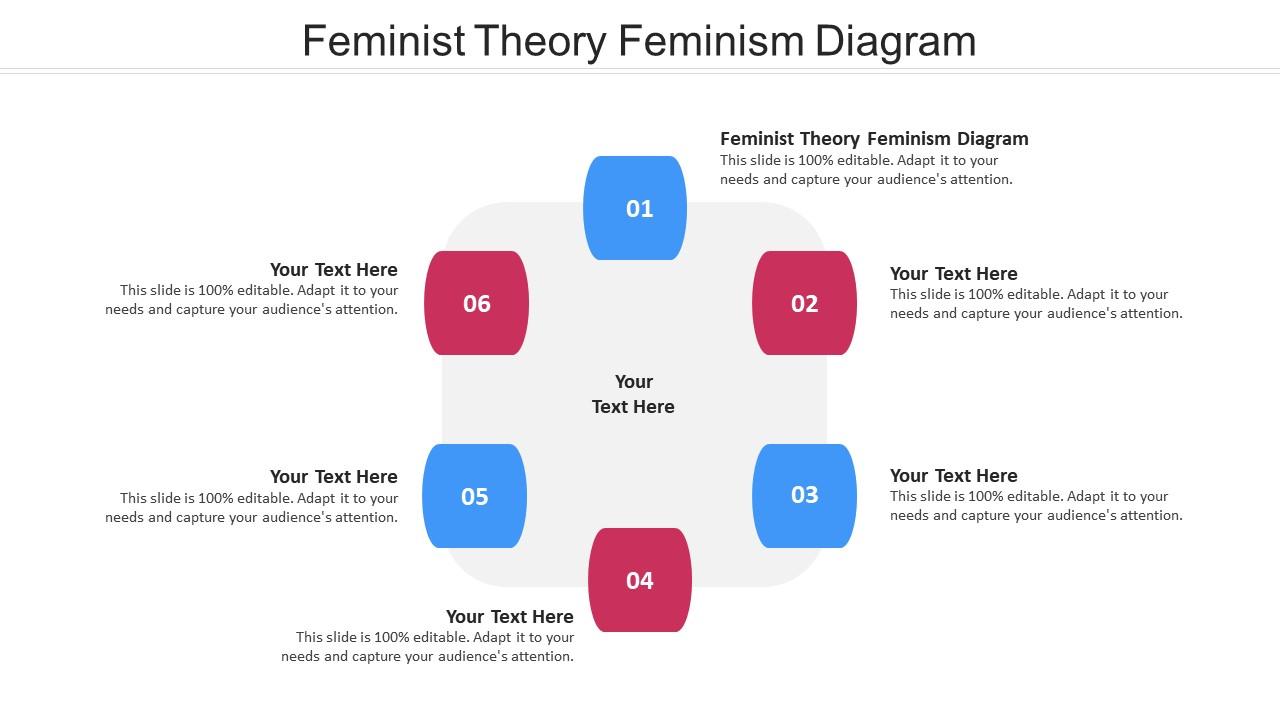
Feminist theory provides the intellectual framework for understanding and challenging gender inequality. Several schools of thought have emerged, each offering distinct perspectives and approaches:
a. Liberal Feminism: Champions equality through legal and political reforms. Seeks equal opportunities and access for women within existing societal structures.
b. Radical Feminism: Attributes the root of inequality to patriarchy, a system of male dominance that permeates all aspects of society. Advocates for fundamental societal transformation to dismantle patriarchal structures.
c. Marxist Feminism: Analyzes the intersection of gender and class, arguing that capitalism exacerbates gender inequality. Focuses on the economic exploitation of women and the need for socialist revolution.
d. Socialist Feminism: Synthesizes Marxist and radical feminist perspectives, recognizing both the economic and patriarchal roots of women’s oppression. Advocates for simultaneous struggles against capitalism and patriarchy.
e. Psychoanalytic Feminism: Explores the psychological roots of gender identity and inequality, drawing on psychoanalytic theory to understand how societal norms and expectations shape individuals. Critiques Freud’s theories and reinterprets them from a feminist perspective.
f. Poststructuralist Feminism: Deconstructs binary oppositions and essentialist categories of gender and sexuality. Influenced by poststructuralist thinkers like Michel Foucault and Jacques Derrida, it emphasizes the fluidity and performativity of gender.
g. Black Feminism: Developed in response to the exclusion of Black women’s experiences from mainstream feminist discourse. Highlights the interlocking oppressions of racism, sexism, and classism. Advocates for a feminist agenda that addresses the specific needs and concerns of Black women.
h. Intersectionality: As mentioned previously, a framework for understanding how different social and political identities (e.g., gender, race, class, sexuality) combine to create unique experiences of discrimination and privilege. Essential for analyzing the complexities of power and inequality.
VI. The Ongoing Revolution: Challenges and Future Directions
Despite significant progress, the fight for gender equality is far from over. New challenges are constantly emerging. Backlash against feminism is a persistent force. The rise of online misogyny and the proliferation of harmful stereotypes in media continue to be major concerns. Economic inequality persists, with women still earning less than men for comparable work and facing barriers to advancement in many industries. Reproductive rights are under attack in many parts of the world. Violence against women remains a global pandemic. Furthermore, the complexities of transgender rights and gender identity have sparked internal debates within the feminist movement. Navigating these challenges requires a renewed commitment to intersectionality, a willingness to engage in difficult conversations, and a relentless pursuit of justice. What will the next chapter of feminist activism look like? How will technology shape the future of gender equality? These are questions that demand our attention.
VII. Beyond the Dichotomy: Embracing a Nuanced Future
The path forward requires dismantling the false dichotomy of “male” versus “female” and embracing a more nuanced understanding of gender as a spectrum. It demands a critical examination of societal norms and expectations that limit individuals based on their gender. It necessitates a commitment to creating a world where everyone has the opportunity to reach their full potential, regardless of their gender identity or expression. It’s not about replacing one form of oppression with another. It’s about creating a society where equity reigns supreme, and where the richness of human experience is celebrated in all its multifaceted glory. The journey towards true gender equality is a marathon, not a sprint. It requires perseverance, empathy, and a willingness to challenge the status quo, even when it’s uncomfortable. And perhaps, just perhaps, it will even improve your brunch options.







Leave a Comment