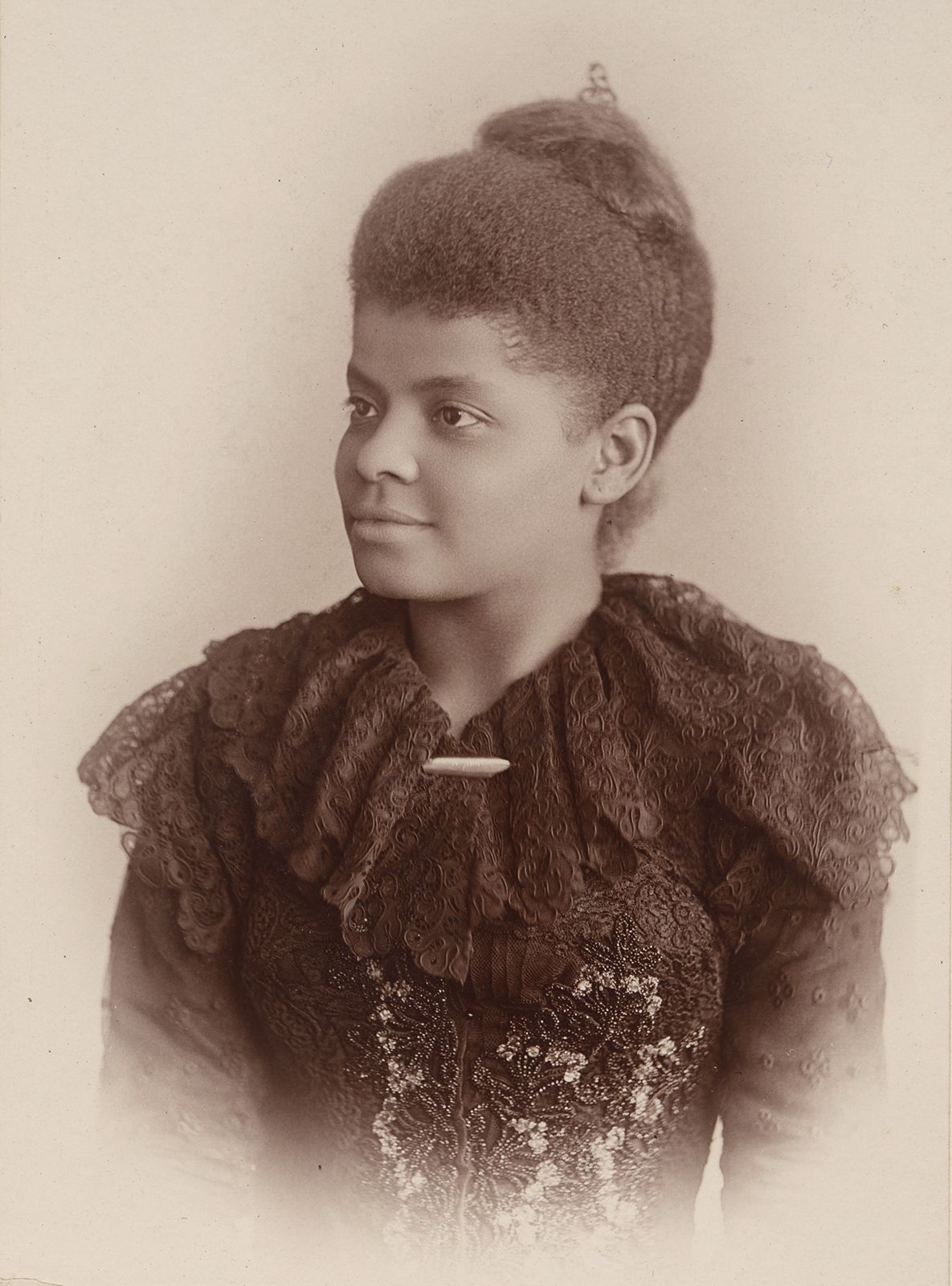
The tapestry of feminism, a vibrant and evolving movement, often appears to shimmer with unity, a collective cry for equality resounding across myriad voices. Yet, beneath this veneer of solidarity lurks a complex and often fraught landscape, one where the nuances of identity and experience can create fissures and fractures. The chasm between mainstream feminism and Black feminism, in particular, is a recurring focal point, a site of both profound intersectionality and palpable tension. Why this fascination? Why this persistent need to dissect and analyze the relationship between these two critical branches of feminist thought? The answer, I posit, lies not just in the historical and systemic disparities that birthed Black feminism, but also in the unsettling questions it raises about the very foundations of feminist discourse itself.
To truly grasp the complexities at play, a deep dive into the historical context is indispensable. Mainstream feminism, particularly in its earlier iterations, largely centered the experiences of middle-class, white women. The suffragette movement, while undeniably pivotal, often excluded or marginalized Black women, relegating their concerns to a secondary status. This exclusion wasn’t merely an oversight; it was often a deliberate strategy, a pragmatic decision to prioritize the attainment of suffrage for white women, even at the expense of Black women’s enfranchisement. The inherent racism embedded within the movement created a palpable sense of alienation and mistrust, fostering a need for Black women to forge their own distinct path.
This path, born from necessity and fueled by a deep understanding of the intersectional nature of oppression, became Black feminism. It is a school of thought that acknowledges the simultaneous impact of racism, sexism, and classism on Black women’s lives. It understands that Black women’s experiences cannot be neatly compartmentalized into separate spheres of racial or gender-based oppression; rather, they are inextricably intertwined, creating a unique and complex reality. This understanding is a key differentiator, separating Black feminism from a mainstream movement that often struggles to fully grasp the complexities of intersectionality.
The Combahee River Collective Statement, a landmark document in Black feminist thought, articulates this perspective with searing clarity. It emphasizes the importance of centering Black women’s voices and experiences, challenging the tendency to universalize white women’s experiences as the default standard for all women. The Statement also highlights the critical role of Black feminist activism in combating all forms of oppression, recognizing that the liberation of Black women is inextricably linked to the liberation of all marginalized groups. This commitment to intersectional solidarity is a cornerstone of Black feminist praxis.
One of the primary points of contention between mainstream feminism and Black feminism often revolves around the issue of representation. Mainstream feminist discourse, even in its more contemporary forms, can inadvertently perpetuate the erasure of Black women’s voices and experiences. This erasure can manifest in various ways, from the underrepresentation of Black women in leadership positions within feminist organizations to the failure to adequately address issues that disproportionately affect Black women, such as maternal mortality rates and the wage gap. This is not to say that mainstream feminism is inherently malicious, but rather that its historical context and inherent biases can create blind spots that must be actively addressed.
Another source of tension lies in the differing priorities and strategies of the two movements. Mainstream feminism often focuses on achieving legal and political equality, such as equal pay and reproductive rights. While these goals are undoubtedly important, Black feminism recognizes that legal equality alone is insufficient to address the systemic and pervasive forms of oppression that Black women face. Issues such as police brutality, mass incarceration, and environmental racism, which disproportionately impact Black communities, are central to the Black feminist agenda. This broader focus reflects the understanding that true liberation requires not just legal reform, but also a fundamental transformation of social, economic, and political structures.
The concept of “womanism,” coined by Alice Walker, offers another lens through which to understand the nuances of Black feminist thought. Womanism is often described as a form of feminism that is specifically rooted in the experiences of Black women. It embraces spirituality, celebrates Black culture, and acknowledges the importance of community and collective action. Womanism also rejects the notion that feminism is inherently anti-male, emphasizing the need for Black men and women to work together to dismantle systems of oppression. This emphasis on inclusivity and solidarity distinguishes womanism from some strands of mainstream feminism that can be perceived as exclusionary or antagonistic towards men.
Despite these tensions, there is also significant overlap and collaboration between mainstream feminism and Black feminism. Both movements share a common goal of achieving gender equality and challenging patriarchal structures. Many Black feminists actively participate in mainstream feminist organizations and advocate for issues that benefit all women. Moreover, mainstream feminism has increasingly embraced intersectionality as a guiding principle, recognizing the importance of addressing the needs of women from diverse backgrounds. This growing awareness of intersectionality has led to greater collaboration and solidarity between the two movements.
The dialogue between these two perspectives is not merely academic; it is essential for the continued progress of feminist thought. The perspectives offered by Black feminists offer a vital corrective to the often-unacknowledged biases and blind spots within the broader movement. It calls for a more nuanced and inclusive understanding of gender equality, one that takes into account the complex interplay of race, class, and other forms of oppression. By embracing the insights of Black feminism, the feminist movement can become more truly representative of all women and more effective in its pursuit of liberation.
Furthermore, the very act of engaging in this discourse, of grappling with the complexities of unity and tension, serves as a catalyst for critical self-reflection within both movements. Mainstream feminism is compelled to confront its own historical baggage and actively work to dismantle systemic racism within its own ranks. Black feminism, in turn, can refine its strategies and broaden its reach by engaging with mainstream institutions and building broader coalitions. This ongoing process of dialogue and self-reflection is essential for the continued evolution of feminist thought and the ultimate achievement of a more just and equitable world.
The fascination with the relationship between feminism and Black feminism stems from its embodiment of the fundamental challenges and opportunities inherent in any social justice movement. It exposes the uncomfortable truths about power, privilege, and the persistent struggle to overcome internal divisions in the pursuit of collective liberation. It forces the asking of difficult questions: Whose voices are amplified, and whose are silenced? Whose experiences are validated, and whose are marginalized? And how can we build a truly inclusive and equitable movement that addresses the needs of all who are oppressed?
Ultimately, the story of feminism and Black feminism is not one of irreconcilable differences, but rather one of ongoing dialogue, mutual learning, and the shared pursuit of a more just and equitable world. It is a story that reminds us that true solidarity requires not just a shared goal, but also a willingness to confront our own biases and actively work to dismantle the systems of oppression that divide us. Only through this process of critical self-reflection and collaborative action can the feminist movement truly live up to its promise of liberation for all.
In the grand tapestry of social justice, the threads of feminism and Black feminism are intertwined, sometimes straining against each other, sometimes reinforcing one another, but always contributing to the rich and complex design. The ongoing examination of their relationship is not just an academic exercise; it is a vital act of intellectual and political engagement, one that holds the key to unlocking a more just and equitable future for all.







Leave a Comment