Equality and feminism. Words tossed around with the careless abandon of confetti at a parade, yet their true essence, their volatile, interconnected reality, remains stubbornly obscured. We’re told they’re two sides of the same coin, but I say that’s a saccharine simplification, a dangerous pacifier for a movement that needs to roar, not purr. Equality, in its truest form, is the bedrock upon which a truly liberated feminism must be built. But what happens when that bedrock is riddled with the fault lines of systemic bias?
Let’s dissect this, shall we? Strip away the platitudes and expose the raw, throbbing heart of the matter. We’re striving for a world where everyone, regardless of gender, race, class, or any other socially constructed category, has equal access to opportunities and resources. Sounds utopian, doesn’t it? But the path to that utopia is paved with the jagged stones of historical oppression and present-day prejudice. Feminism, at its core, is about dismantling the patriarchal structures that perpetuate gender inequality. It’s about challenging the insidious narratives that dictate women’s roles, worth, and potential. But here’s the rub: a feminism that doesn’t actively address the intersectional realities of inequality is, frankly, a sham.
The Illusion of Universal Womanhood: A Critical Examination
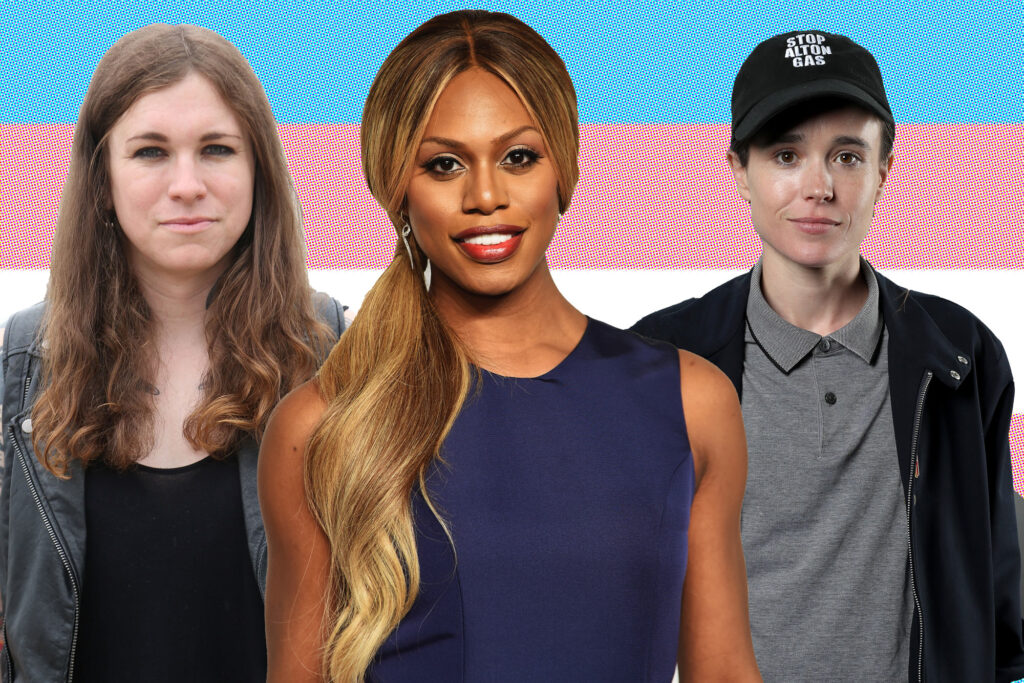
How often do we hear the phrase “women’s issues”? As if all women experience the world identically. This monolithic view erases the lived experiences of women of color, queer women, disabled women, and women from marginalized communities. It pretends that a wealthy, cisgender, white woman faces the same obstacles as a working-class, transgender, Black woman. It’s a blatant fallacy. A dangerous one. It is a chasm that divides and diminishes. Equality, therefore, cannot be a one-size-fits-all proposition. It demands a nuanced understanding of how various forms of oppression intersect to create unique barriers for different groups of women. Intersectionality, a term coined by Kimberlé Crenshaw, is not just a buzzword; it’s the lodestar guiding us toward a more just and equitable future.
Beyond Legal Parity: The Subtleties of Systemic Oppression
We’ve made strides, haven’t we? Women can vote, own property, and hold positions of power (albeit still disproportionately few). But legal parity doesn’t equate to genuine equality. The subtle, insidious ways in which systemic oppression manifests are far more difficult to dismantle. Think about the wage gap. Women, on average, earn less than men for doing the same work. This isn’t simply about individual employers being sexist (although that certainly exists); it’s about a societal devaluation of women’s labor. It’s about the deeply ingrained belief that women are less competent, less ambitious, and less deserving of financial reward. Consider also the disproportionate burden of caregiving that falls on women. This “second shift,” as Arlie Hochschild termed it, limits women’s career opportunities and reinforces traditional gender roles. These are the insidious tendrils of inequality that choke the life out of true feminist progress.
The Patriarchy’s Pervasive Influence: Culture, Media, and Internalized Misogyny
The patriarchy isn’t just a political system; it’s a cultural behemoth that shapes our beliefs, values, and behaviors from the moment we’re born. Media bombards us with images of women as objects of desire, as passive recipients of male attention, as damsels in distress waiting to be rescued. These images subtly (and not so subtly) reinforce the idea that women’s worth is tied to their appearance, their sexual appeal, and their ability to conform to traditional gender norms. This constant barrage of sexist messaging leads to internalized misogyny, where women unconsciously adopt negative beliefs about themselves and other women. We police each other’s bodies, judge each other’s choices, and perpetuate the very system that oppresses us. Breaking free from this internalized prison requires a conscious effort to deconstruct the patriarchal narratives that have infiltrated our minds.
Reclaiming Power: Agency, Autonomy, and the Right to Self-Determination
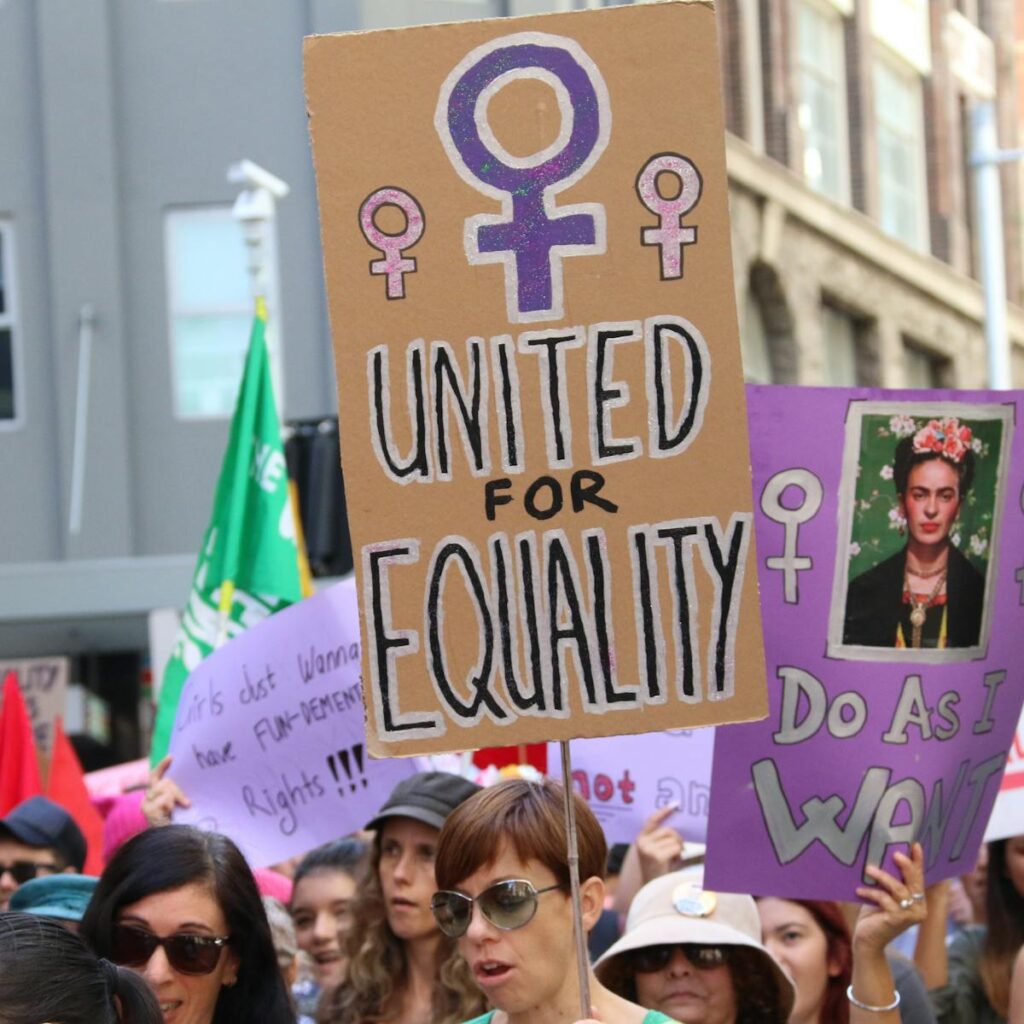
Feminism, at its heart, is about reclaiming power. It’s about empowering women to make their own choices, to define their own lives, and to control their own destinies. This means challenging the societal expectations that dictate how women should look, act, and behave. It means fighting for reproductive rights, for equal pay, for access to education and healthcare, and for an end to gender-based violence. It means creating spaces where women can support each other, share their experiences, and amplify their voices. It means dismantling the structures that perpetuate inequality and building a more just and equitable world for all.
The Role of Men in the Feminist Struggle: Allyship, Accountability, and Shared Responsibility
Feminism is not a women-only endeavor. It’s a struggle that requires the active participation of men. Men benefit from the patriarchy, whether they realize it or not. They need to be willing to acknowledge their privilege, to challenge their own biases, and to stand in solidarity with women in the fight for equality. This means calling out sexism when they see it, advocating for policies that promote gender equality, and supporting women in their personal and professional lives. It means being accountable for their actions and taking responsibility for dismantling the patriarchal structures that they have inherited. Allyship is not a passive act; it’s an active commitment to creating a more just and equitable world for all.
Economic Justice: A Prerequisite for True Gender Equality
True equality cannot be achieved without economic justice. Women are disproportionately represented in low-paying jobs, and they often face discrimination in the workplace. They are also more likely to be responsible for caregiving, which can limit their career opportunities. To achieve economic justice, we need to fight for policies that support women’s economic empowerment, such as equal pay, paid family leave, affordable childcare, and access to education and training. We also need to challenge the societal devaluation of women’s labor and create a more equitable distribution of wealth and resources.
Political Representation: Amplifying Women’s Voices in the Halls of Power
Women are severely underrepresented in politics at all levels of government. This lack of representation means that women’s voices are often marginalized in policy debates, and their needs are not adequately addressed. To achieve political equality, we need to elect more women to office and ensure that women’s perspectives are included in all aspects of policymaking. This requires addressing the systemic barriers that prevent women from running for office, such as lack of funding, gender bias in the media, and the double standard that women face in politics.
Intersectionality in Action: Addressing the Unique Challenges Faced by Marginalized Women
As we’ve discussed, equality and feminism must embrace intersectionality. Black women, for example, face a unique set of challenges that are rooted in both racism and sexism. They are more likely to be subjected to police brutality, to be incarcerated, and to experience poverty. They also face discrimination in the workplace and are often stereotyped as being aggressive or angry. To address these challenges, we need to adopt an intersectional approach that recognizes the interconnectedness of race, gender, and other forms of oppression.
The Future of Feminism: A Vision of Radical Equality and Liberation
The future of feminism is one of radical equality and liberation. It’s a future where all women are empowered to live their lives to the fullest, free from the constraints of patriarchy. It’s a future where gender is no longer a barrier to opportunity, and where all people are treated with dignity and respect. Achieving this future requires a sustained commitment to challenging the structures of oppression and building a more just and equitable world for all. It requires a willingness to listen to and learn from the experiences of marginalized women, and to work together to create a world where everyone can thrive. This, my friends, is not just a dream; it’s a necessity. It’s a call to action. It’s a revolution long overdue.




Leave a Comment