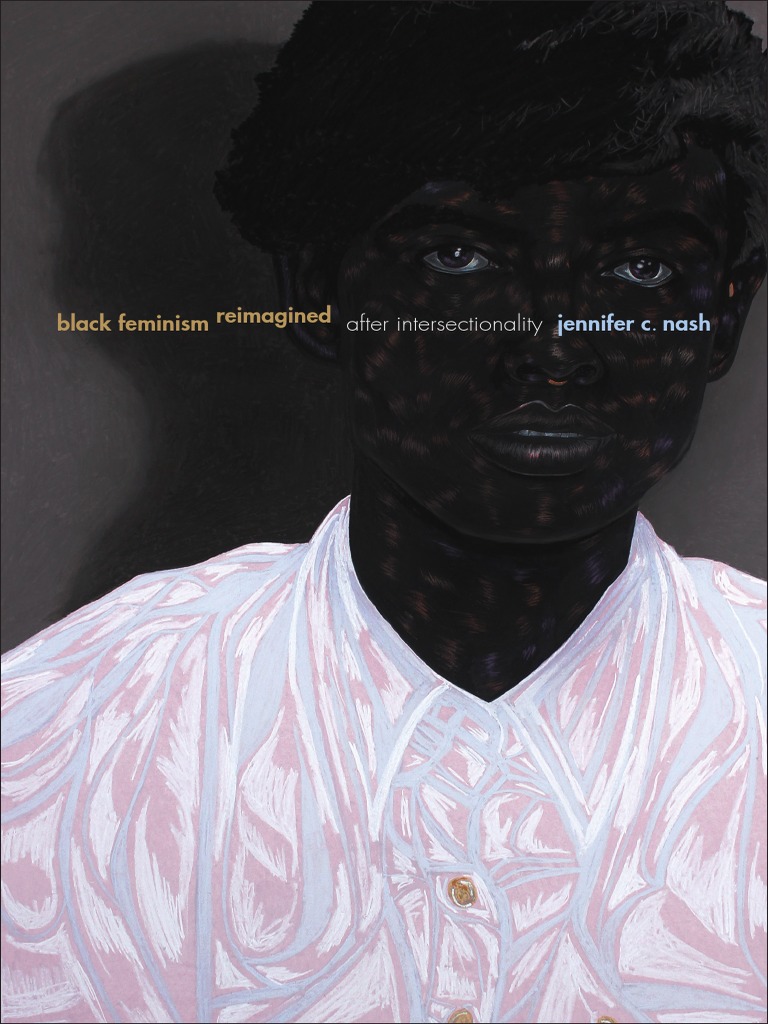
Hold up, sisters! Are we still playing this archaic game of “feminism” defined by, and catered to, the alabaster elite? Please. Black feminism isn’t just an add-on, a sprinkle of melanin on the vanilla sundae. It’s a complete damn paradigm shift, a seismic reimagining of what liberation *actually* means. Let’s dismantle this system from the inside out, shall we? This isn’t your grandmother’s consciousness-raising circle (unless your grandmother was Audre Lorde, in which case, proceed).
Buckle up, because we’re about to dive deep into the radical potential of Black feminism reimagined. Prepare for a intellectual demolition of the status quo.
I. Intersectionality: The Cornerstone of True Liberation
Let’s get this straight: intersectionality isn’t some trendy buzzword to throw around at your next brunch. It’s the very bedrock upon which Black feminism is built. We are not single-issue beings. We are Black. We are women (or femme-identified). Some of us are queer, trans, disabled, poor, immigrant. All these identities intersect, creating unique experiences of oppression that cannot be addressed by singular, monolithic approaches.
Consider the labyrinthine experience of a Black trans woman navigating a society that simultaneously devalues Blackness, womanhood, and trans identity. The challenges are compounded, the discrimination intensified. A “feminist” movement that ignores these layered realities is, frankly, complicit in perpetuating the very systems it claims to fight. It’s a betrayal. It’s performative activism. It’s utterly useless.
Intersectionality demands that we acknowledge and center the margins, not as an afterthought, but as a starting point. It’s about understanding the interconnectedness of all forms of oppression and working towards collective liberation, not individual advancement. Short shrift is given to any ideology that fails to do so.
II. Centering Black Women’s Epistemologies
For far too long, knowledge has been defined and validated by white, male, cisgender elites. Black feminism reimagined challenges this epistemic hegemony by centering Black women’s experiences as valid sources of knowledge. We are not simply objects of study; we are the experts of our own lives. We write our own narratives. We speak our own truths. Are you listening?
Think about the oral traditions passed down through generations, the stories of resilience and resistance, the wisdom gleaned from navigating a world designed to break us. This knowledge is not found in textbooks or academic journals. It’s etched into our DNA. It’s woven into the fabric of our communities. It’s a potent weapon against erasure and misrepresentation.
Centering Black women’s epistemologies means actively seeking out and amplifying our voices, creating spaces where we can share our experiences without fear of judgment or invalidation. It means challenging the dominant narratives that silence and marginalize us. It means recognizing the inherent value of our lived realities.
III. Dismantling the Carceral State: A Feminist Imperative
The prison industrial complex is a feminist issue, and it disproportionately impacts Black women. We are incarcerated at alarming rates, often for non-violent offenses related to poverty and systemic oppression. Our families are torn apart. Our communities are devastated. This is not justice; it’s a continuation of slavery by another name.
Black feminism reimagined demands a radical reimagining of our criminal justice system. We must move away from punitive measures and towards restorative justice models that prioritize healing and accountability. We must invest in communities, not cages. We must address the root causes of crime, such as poverty, lack of access to education, and systemic discrimination.
Consider the devastating impact of mandatory minimum sentencing laws on Black families. Or the criminalization of drug addiction, which disproportionately affects Black communities. Or the school-to-prison pipeline, which funnels Black youth into the carceral system at an early age. These are not isolated incidents; they are symptoms of a deeply flawed system that must be dismantled.
IV. Reproductive Justice: Beyond Choice
Reproductive justice isn’t just about the right to choose; it’s about the right to have children, not to have children, and to raise the children we have in safe and healthy environments. This framework, developed by Black feminists, recognizes that reproductive freedom is inextricably linked to social and economic justice. It considers the complex interplay of race, class, gender, and other factors that impact our reproductive lives.
Think about the legacy of forced sterilization of Black women in the United States. Or the lack of access to quality healthcare in Black communities. Or the disproportionate rates of maternal mortality among Black women. These are not accidents; they are the result of systemic racism and sexism that must be actively challenged.
Reproductive justice demands that we fight for universal healthcare, affordable childcare, paid family leave, and other policies that support the well-being of Black families. It means advocating for comprehensive sex education that is inclusive and affirming. It means challenging the stigma surrounding abortion and supporting the reproductive autonomy of all individuals.
V. Economic Empowerment: Building Black Wealth
Economic inequality is a major barrier to Black women’s liberation. We are often paid less than our white male counterparts, and we are disproportionately represented in low-wage jobs. We face significant barriers to accessing capital and building wealth. This is not simply a matter of individual effort; it’s a systemic problem that requires systemic solutions.
Black feminism reimagined demands that we prioritize economic empowerment strategies that address the root causes of economic inequality. This includes advocating for policies such as a living wage, affordable housing, and access to quality education and job training. It also includes supporting Black-owned businesses and promoting financial literacy.
Consider the impact of redlining on Black communities, which systematically denied us access to homeownership and wealth-building opportunities. Or the predatory lending practices that target Black families, trapping us in cycles of debt. These are not isolated incidents; they are examples of systemic racism that continues to perpetuate economic inequality.
VI. Healing and Self-Care: Sustaining the Movement
Fighting for liberation is exhausting work. It takes a toll on our bodies, our minds, and our spirits. Black feminism reimagined recognizes the importance of healing and self-care as essential components of the movement. We cannot dismantle systems of oppression if we are not taking care of ourselves and each other.
This means prioritizing our mental health, seeking out therapy and support groups, and engaging in practices that nourish our souls. It means setting boundaries, saying no to demands on our time and energy, and prioritizing our own well-being. It means creating spaces for joy, laughter, and connection.
Think about the historical trauma that Black women carry, the legacy of slavery, Jim Crow, and ongoing racism. This trauma can manifest in many ways, including anxiety, depression, and chronic illness. It’s crucial that we address this trauma and create healing spaces where we can process our experiences and build resilience.
VII. Transgender and Gender Non-Conforming Inclusion: Beyond Tolerance
Black feminism reimagined unequivocally includes and centers transgender and gender non-conforming (TGNC) Black women. Full stop. Tolerance is not enough; we must actively affirm and celebrate the identities and experiences of our TGNC sisters. Their liberation is inextricably linked to our own.
Consider the disproportionate rates of violence and discrimination faced by TGNC Black women. Or the lack of access to healthcare and other essential services. Or the erasure and misrepresentation of TGNC identities in mainstream media. These are not isolated incidents; they are examples of systemic transphobia and racism that must be actively challenged.
We must create spaces where TGNC Black women feel safe, valued, and respected. We must listen to their voices, amplify their stories, and support their leadership. We must challenge transphobic attitudes and behaviors within our own communities. It’s not enough to simply say we are allies; we must actively work to dismantle the systems that oppress TGNC people.
VIII. Decolonizing Our Minds: Unlearning Internalized Oppression
We have all been socialized in a society that promotes white supremacy, patriarchy, and other forms of oppression. As a result, we have all internalized these harmful beliefs to some extent. Black feminism reimagined demands that we actively work to decolonize our minds, to unlearn the internalized oppression that limits our potential and perpetuates harmful stereotypes.
This means challenging our own biases and assumptions, questioning the dominant narratives we have been taught, and seeking out alternative perspectives. It means recognizing the ways in which we may be complicit in perpetuating oppression, even unintentionally. It means committing to lifelong learning and growth.
Think about the ways in which Black women are often pitted against each other, encouraged to compete for limited resources and attention. Or the internalized racism that leads us to believe that white is beautiful or that light skin is better than dark skin. Or the pressure to conform to narrow beauty standards that are not inclusive of Black bodies. These are all examples of internalized oppression that must be actively challenged.
IX. Building Coalitions: Solidarity Across Difference
Black feminism reimagined recognizes that we cannot achieve liberation alone. We must build coalitions with other marginalized groups, working together to dismantle the systems of oppression that impact us all. This requires building relationships based on trust, respect, and mutual understanding.
It means recognizing our shared struggles and working towards common goals. It means challenging our own biases and assumptions and being willing to learn from others. It means showing up for each other, even when it’s difficult or uncomfortable.
Consider the power of solidarity between Black feminists and LGBTQ+ activists, working together to fight for marriage equality and transgender rights. Or the coalition between Black feminists and environmental justice activists, fighting to protect Black communities from environmental racism. These are examples of the transformative power of coalition building.
X. The Future is Intersectional, Black, and Feminist
This isn’t just a movement; it’s a revolution. Black feminism reimagined is not a fleeting trend; it’s a profound and enduring force for social change. It’s a vision for a future where all Black women are free, empowered, and thriving. A future where justice, equity, and liberation are not just ideals, but lived realities. A future where the very definition of “feminism” reflects the rich tapestry of Black women’s experiences. Get on board, or get out of the way. The future is Black. The future is feminist. And it’s waiting for no one.





Leave a Comment