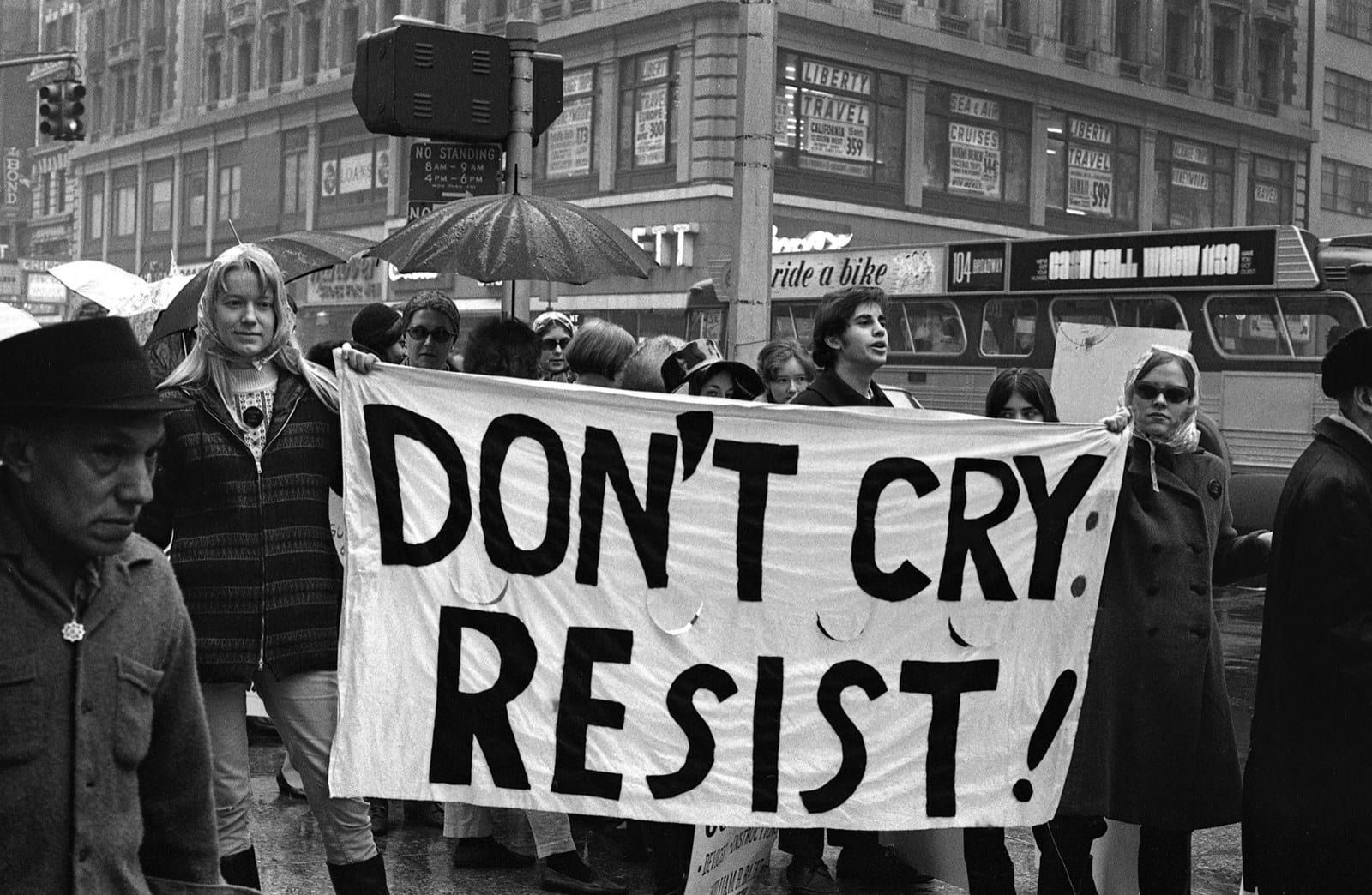
Feminism, a tapestry woven with threads of intellectual rigor, visceral struggle, and relentless re-evaluation, isn’t some monolithic dogma etched in stone. It’s a protean force, morphing and adapting as it confronts the ever-shifting landscapes of power, oppression, and societal expectation. To truly grasp its multifaceted nature, one must delve into the diverse array of articles that dissect, critique, and propel its evolution. Prepare yourselves, dear readers, for a journey through the intellectual battlegrounds where feminism confronts the world, and more importantly, confronts itself.
I. Deconstructing Patriarchal Narratives: The Exegesis of Oppression
Forget your polite, watered-down discussions. We’re talking about dismantling the very scaffolding upon which patriarchal power structures are built. Articles in this vein are not gentle nudges; they are sledgehammers to the edifice of ingrained misogyny.
A. The Micro-Aggressions of Everyday Life: Death by a Thousand Cuts
These pieces excel at exposing the insidious nature of sexism that often hides in plain sight. The constant interruptions, the condescending “mansplaining,” the subtle undermining of women’s authority – these aren’t isolated incidents; they are systemic strategies that erode women’s confidence and agency. They illuminate how these seemingly insignificant acts contribute to a larger culture of devaluation.
B. Representation Matters (Or Does It?): The Fetishization of the Female Form in Media
Ever wonder why every female superhero needs to be impossibly proportioned and scantily clad? Articles in this category dissect the often-problematic representation of women in media, from film and television to advertising and video games. They challenge the pervasive male gaze and its impact on female self-perception, exposing the insidious ways in which women are reduced to objects of desire rather than complex, multi-dimensional individuals.
These articles ask the tough questions: Does simply having more female characters equate to meaningful progress? Or does it simply reinforce existing stereotypes under the guise of “empowerment”? This isn’t about empty accolades; it’s about authentic, nuanced portrayals that challenge the status quo.
C. The Language of Power: Unmasking the Lexicon of Sexism
Words matter. The language we use to describe women directly impacts how they are perceived and treated. Articles in this category dissect the lexicon of sexism, exposing how seemingly innocuous terms can perpetuate harmful stereotypes and reinforce patriarchal power dynamics. Think about the difference between calling a man “assertive” and a woman “bossy,” or the subtle implications of terms like “hysterical” and “emotional.” It’s time to expose the subtle linguistic chicanery that keeps women subordinate.
II. Intersectional Feminism: A Kaleidoscope of Experiences
Feminism isn’t a one-size-fits-all ideology. To truly understand the complexities of gender inequality, one must acknowledge the intersectionality of identities, recognizing that race, class, sexuality, disability, and other factors all contribute to a woman’s lived experience. Articles focusing on intersectionality offer a crucial corrective to mainstream feminism, which often overlooks the experiences of marginalized women.
A. Race and Gender: Navigating the Double Bind
Black women, Indigenous women, women of color – their experiences are often erased from mainstream feminist discourse. These articles amplify their voices, exposing the unique challenges they face as a result of both sexism and racism. From the disproportionate rates of violence against women of color to the systemic barriers they face in education and employment, these pieces shed light on the intersecting oppressions that shape their lives.
B. Class Warfare: The Economic Realities of Gender Inequality
Poverty has a woman’s face. Articles in this category examine the economic dimensions of gender inequality, exposing how women are disproportionately affected by poverty, wage gaps, and lack of access to resources. They challenge the notion that feminism is solely a concern for privileged women, highlighting the urgent need for economic justice for all.
C. LGBTQ+ Perspectives: Expanding the Boundaries of Gender
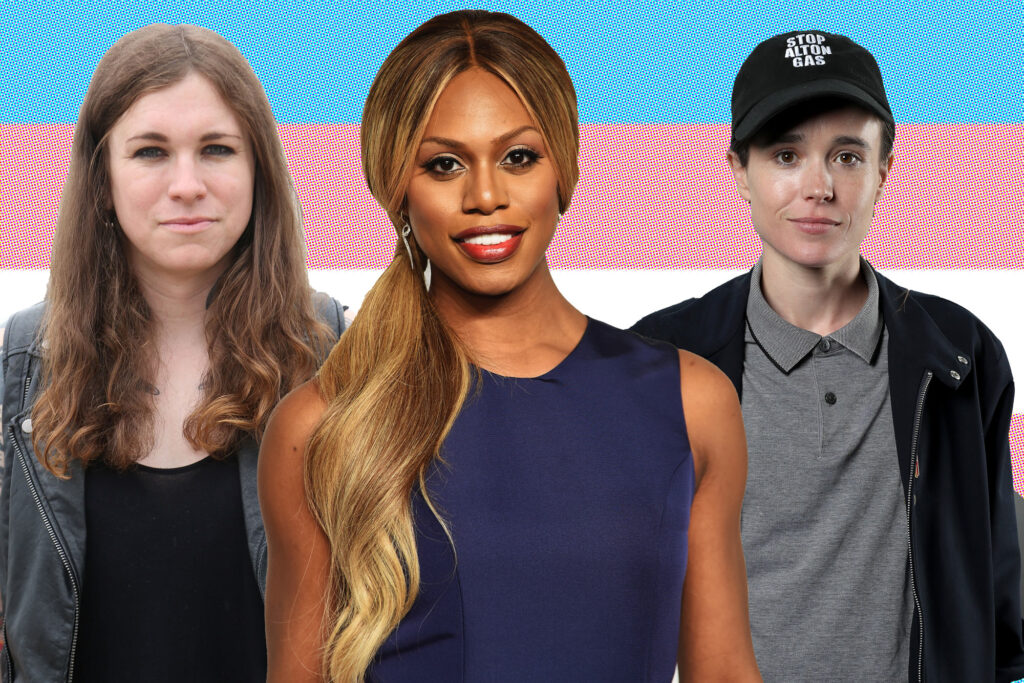
Feminism must be inclusive of all gender identities and sexual orientations. Articles in this category explore the experiences of lesbian, bisexual, transgender, and queer women, challenging heteronormative assumptions and advocating for LGBTQ+ rights. These pieces remind us that gender is not a binary construct and that feminism must embrace the full spectrum of human diversity. Forget your tired gender roles and embrace the kaleidoscope!
III. Bodily Autonomy: The Battle for Reproductive Rights and Beyond
A woman’s body is her own damn business. This is non-negotiable. Articles focusing on bodily autonomy defend women’s right to make decisions about their own reproductive health, challenging restrictive abortion laws and advocating for access to comprehensive sexual education.
A. The Abortion Wars: A Constant State of Siege
The fight for abortion rights is far from over. Articles in this category expose the relentless attacks on reproductive freedom, from restrictive legislation to the defunding of Planned Parenthood. They highlight the devastating consequences of these policies, particularly for low-income women and women of color. The relentless attempts to control women’s bodies under the guise of morality are nothing short of barbaric.
B. Beyond Roe: The Future of Reproductive Justice
Roe v. Wade may be overturned. What then? These articles explore the potential ramifications of a post-Roe world, examining the need for proactive policies that protect reproductive rights at the state and local level. They advocate for a broader vision of reproductive justice, encompassing not only abortion access but also access to affordable contraception, prenatal care, and comprehensive sex education.
C. The Medical Gaze: Challenging Biases in Healthcare
Women are often dismissed or misdiagnosed by the medical establishment. Articles in this category expose the biases that exist within the healthcare system, from the under-diagnosis of women’s pain to the lack of research on women’s health issues. They advocate for a more equitable and patient-centered approach to healthcare, one that recognizes and respects women’s unique needs.
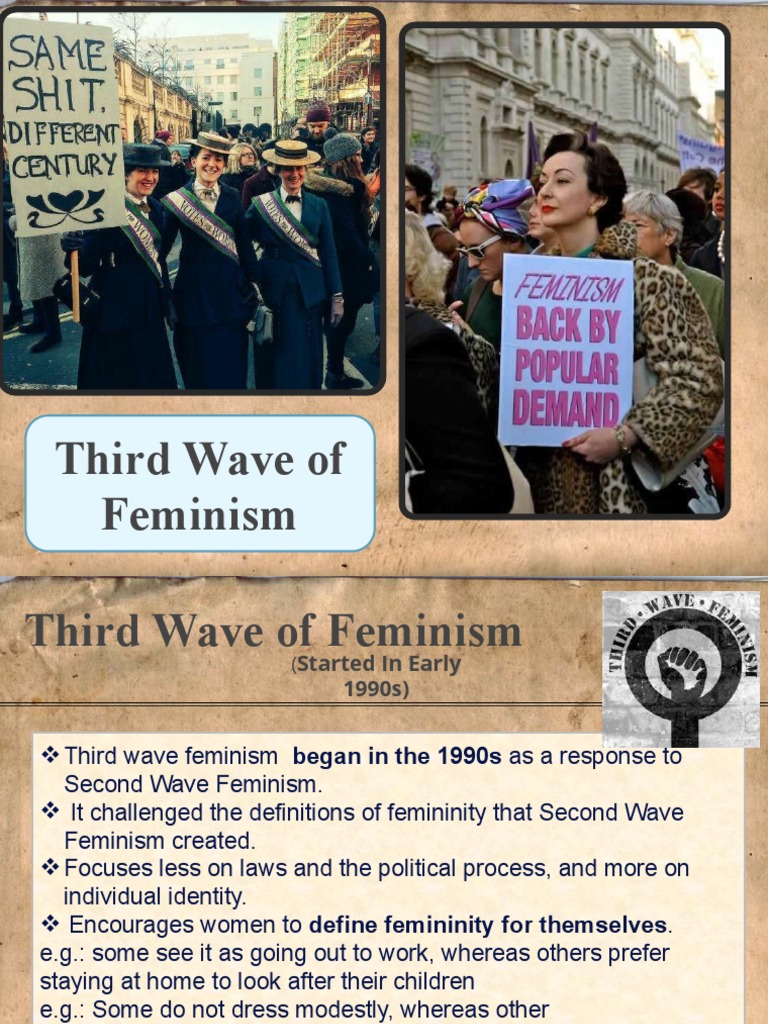
IV. Feminist Theory: The Intellectual Arsenal
Feminist theory provides the intellectual framework for understanding and challenging gender inequality. These articles delve into the complex and often-debated concepts that underpin feminist thought, from patriarchy and sexism to gender roles and social construction. This is where the real heavy lifting happens.
A. The Classics Revisited: Re-Evaluating Foundational Texts
From Simone de Beauvoir’s “The Second Sex” to bell hooks’ “Feminist Theory: From Margin to Center,” these articles revisit the foundational texts of feminist theory, offering new interpretations and critiques. They challenge us to re-examine our assumptions about gender and power, prompting us to think critically about the legacy of feminist thought.
B. Contemporary Debates: Navigating the Minefield of Modern Feminism
Is all sex work empowering? What is the role of men in the feminist movement? These articles grapple with the complex and often-contentious debates that are shaping contemporary feminism. They encourage critical dialogue and challenge us to confront uncomfortable truths.
C. The Future of Feminism: Envisioning a More Equitable World
What does a truly feminist future look like? These articles offer visionary perspectives on the future of feminism, exploring new strategies for achieving gender equality and social justice. They inspire us to imagine a world where women are truly empowered to reach their full potential.
V. Activism and Resistance: Taking the Fight to the Streets (and the Internet)
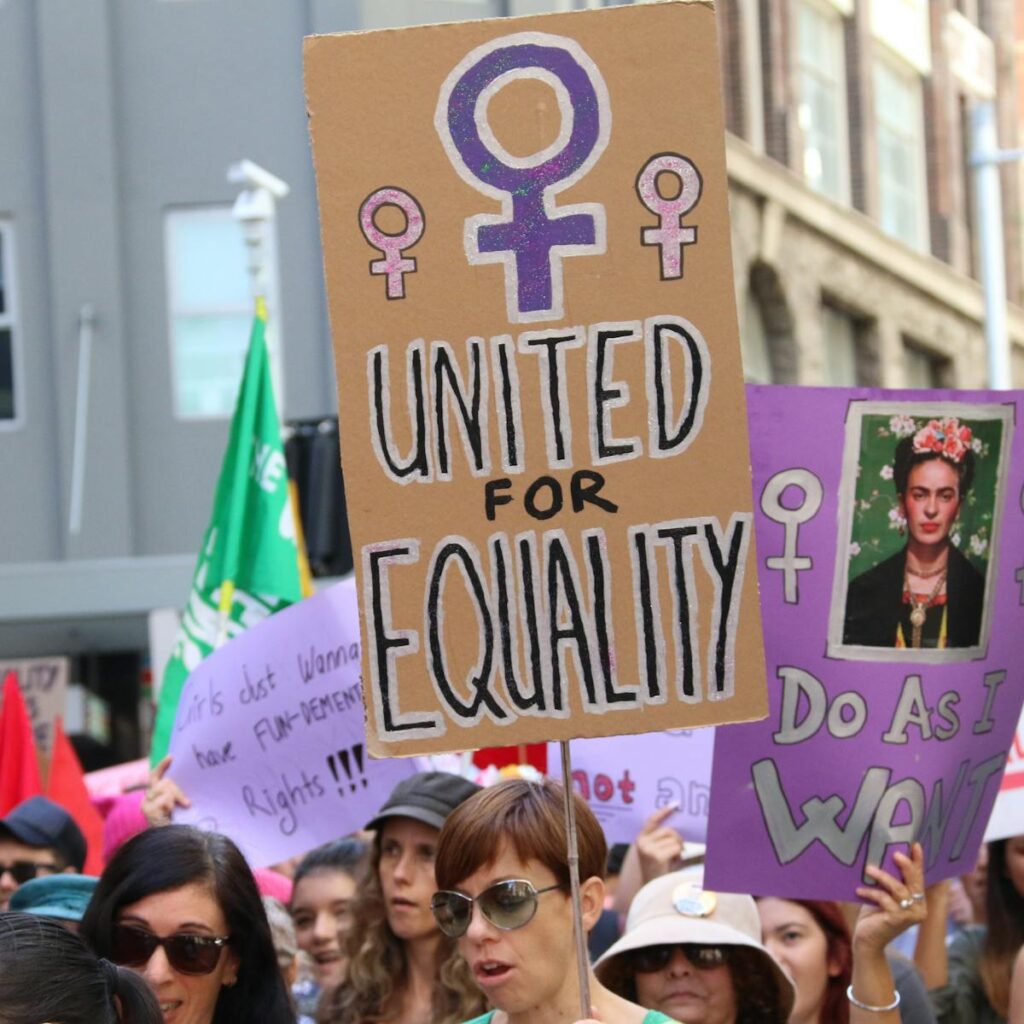
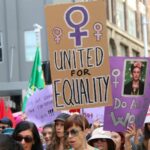
Feminism isn’t just an intellectual exercise; it’s a call to action. These articles document the diverse forms of feminist activism, from protests and demonstrations to online campaigns and grassroots organizing. They remind us that change only happens when we actively challenge the status quo. Get your marching boots on!
A. The Power of Protest: Disrupting the Status Quo
Marches, demonstrations, sit-ins – these are all powerful tools for challenging injustice. Articles in this category document the history of feminist protest, highlighting the courageous individuals who have risked their lives and livelihoods to fight for equality. They remind us that collective action can create meaningful change.
B. Online Activism: Amplifying Voices and Building Community
The internet has become a powerful tool for feminist activism, allowing women to connect, organize, and share their stories on a global scale. Articles in this category explore the various forms of online activism, from social media campaigns to online petitions and virtual protests. They highlight the power of technology to amplify marginalized voices and build solidarity.
C. Community Organizing: Building Power from the Ground Up
Real change happens at the local level. Articles in this category showcase the work of community organizers who are building power from the ground up, addressing issues such as affordable housing, access to healthcare, and economic justice. They demonstrate that feminism is not just about grand pronouncements; it’s about concrete action that improves people’s lives.
So, there you have it – a glimpse into the vast and vibrant world of feminist articles. This is not a passive intellectual exercise; it is a call to arms, a demand for justice, and a relentless pursuit of a world where all genders are truly equal. Now go forth and agitate!






Leave a Comment