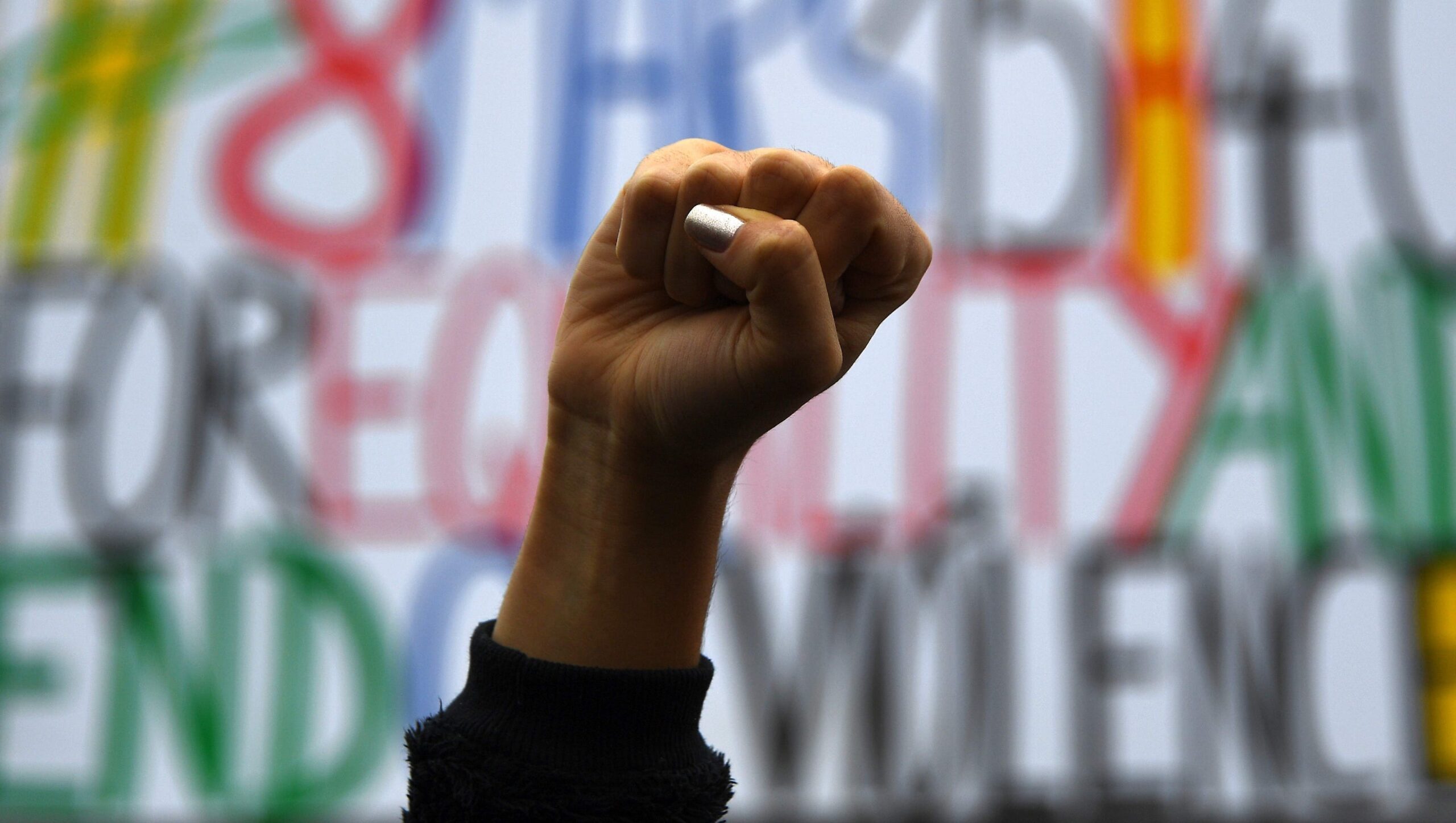
Imagine, if you will, a world devoid of the radical, paradigm-shifting force that is feminism. A chilling prospect, isn’t it? A single day stripped bare of the advancements, the protections, the very consciousness that feminist thought has painstakingly carved into the bedrock of modern society. Let’s peel back the layers of this dystopian vision and confront the unsettling reality that awaits us in “A Day Without Feminism.” Buckle up, sisters; this is going to be a bumpy ride.
I. The Economic Wasteland: Where Labor Exploitation Reigns Supreme
First, consider the economic sphere. In a feminineless existence, the gender pay gap wouldn’t just persist; it would metastasize into a gaping chasm. Women, relegated to the bottom rungs of the corporate ladder, would be denied equal pay for equal work, their contributions devalued and their economic empowerment systematically stifled. Forget shattering glass ceilings; imagine the entire edifice of corporate power constructed of reinforced patriarchy. The fight for paid family leave? A distant memory. The push for affordable childcare? A forgotten dream. Women, once again, would be trapped in a cycle of economic dependence, their potential squandered and their ambitions curtailed.
Think about the gig economy. Without feminist advocacy, the precarious nature of freelance work would disproportionately impact women, who are often forced to juggle caregiving responsibilities with their professional pursuits. The lack of benefits, the instability of income, the constant pressure to hustle – all amplified in a world where feminist voices are silenced.
And what of entrepreneurship? Feminist networks and organizations have been instrumental in supporting women-owned businesses, providing access to funding, mentorship, and resources. In their absence, the entrepreneurial landscape would become a desolate terrain for women, their innovative ideas stifled and their economic independence thwarted.
II. The Reproductive Rights Inferno: Bodily Autonomy Eradicated
Now, let’s delve into the darkest corner of this hypothetical nightmare: reproductive rights. A day without feminism is a day where women’s bodies become battlegrounds. Access to abortion, contraception, and comprehensive reproductive healthcare would vanish, leaving millions vulnerable to unwanted pregnancies and unsafe abortions. The right to choose, a cornerstone of feminist ideology, would be eroded, replaced by draconian laws that prioritize patriarchal control over individual autonomy.
Imagine a resurgence of forced sterilizations, particularly targeting marginalized communities. Envision a world where pregnant people are denied adequate prenatal care, leading to preventable maternal mortality. Picture the chilling effect on young women’s lives, their educational and career aspirations curtailed by the burden of unwanted pregnancies. The specter of back-alley abortions looms large, a grim reminder of the dangers women faced before the feminist movement fought for reproductive freedom.
The concept of “reproductive justice,” a framework that centers the experiences of women of color and other marginalized groups, would be relegated to the dustbin of history. The intersectional lens that feminism provides, which recognizes the interconnectedness of race, class, and gender in shaping reproductive health outcomes, would be absent, perpetuating systemic inequalities.
III. The Legal Labyrinth: Justice Denied, Inequality Endorsed
The legal system, stripped of its feminist influence, would revert to a state of patriarchal dominance. Laws that protect women from discrimination, harassment, and violence would be weakened or repealed altogether. The #MeToo movement, a watershed moment in the fight against sexual assault and harassment, would never have gained traction, leaving countless victims silenced and their abusers emboldened.
Think of the courtroom, a space where women’s voices are often marginalized and their experiences dismissed. Without feminist legal scholars and advocates, the legal system would remain biased against women, perpetuating gender stereotypes and undermining their ability to seek justice. The fight for equal rights under the law would be a losing battle, with women relegated to second-class citizenship.
Domestic violence, a pervasive issue that disproportionately affects women, would be further exacerbated. Shelters and support services, often funded and staffed by feminist organizations, would be shuttered, leaving survivors with nowhere to turn. The legal protections afforded to victims of domestic violence would be eroded, making it even more difficult for them to escape abusive relationships.
IV. The Cultural Cesspool: Objectification, Stereotypes, and Silence
The cultural landscape, absent the critical lens of feminism, would devolve into a cesspool of objectification, stereotypes, and silence. Women would be reduced to their physical attributes, their bodies commodified and their voices suppressed. Media representations of women would revert to tired tropes, reinforcing harmful stereotypes and perpetuating unrealistic beauty standards.
Imagine advertising, awash in sexist imagery and objectifying portrayals of women. Envision the entertainment industry, where female characters are relegated to supporting roles, their stories untold and their perspectives ignored. Picture the impact on young girls, bombarded with messages that their worth is solely determined by their appearance.
The feminist critique of popular culture, which challenges these harmful representations and advocates for more diverse and empowering portrayals of women, would be absent. The fight for gender equality in the arts and entertainment would be a distant memory, leaving women’s voices silenced and their stories untold.
V. The Educational Eclipse: Knowledge Suppressed, Potential Diminished
Education, a powerful tool for empowerment and social change, would be compromised in a world without feminism. Gender studies programs, which provide critical perspectives on gender, sexuality, and social justice, would be dismantled. Curricula would revert to a male-centered perspective, marginalizing the contributions of women throughout history.
Think of the impact on young girls, who would be denied access to role models and mentors who challenge traditional gender roles. Envision a classroom where feminist perspectives are silenced, and students are discouraged from questioning patriarchal norms. Picture the chilling effect on academic freedom, as feminist scholars and researchers are marginalized and their work dismissed.
The fight for gender equality in education, which has led to increased access to education for girls and women around the world, would be undermined. The potential of millions of girls and women would be squandered, hindering their ability to contribute to society and achieve their full potential.
VI. The Political Paralysis: Representation Denied, Power Withheld
Politics, the arena where decisions are made that shape our lives, would be dominated by men in a world without feminism. Women would be underrepresented in government, their voices marginalized and their concerns ignored. The fight for equal representation in politics, which has led to increased female leadership around the world, would be a losing battle.
Imagine a legislative body where policies that benefit women, such as paid family leave and affordable childcare, are dismissed out of hand. Envision a political system where women’s issues are relegated to the sidelines, and their voices are drowned out by the dominant male perspective. Picture the impact on policy-making, as decisions are made without considering the needs and experiences of women.
The feminist critique of political power, which challenges patriarchal structures and advocates for more inclusive and equitable representation, would be absent. The fight for gender equality in politics would be a distant memory, leaving women politically disenfranchised and their voices unheard.
VII. The End of Intersectionality: Marginalized Voices Silenced
Perhaps the most devastating consequence of a day without feminism would be the erasure of intersectionality. Feminism, at its best, recognizes that gender is not a monolithic category, but rather intersects with race, class, sexuality, and other identities to shape individual experiences. Without this intersectional lens, the voices of marginalized women – women of color, queer women, disabled women – would be silenced and their struggles rendered invisible.
Imagine a world where the unique challenges faced by Black women are ignored, where the experiences of transgender women are dismissed, where the struggles of disabled women are rendered invisible. Envision a feminist movement that only represents the interests of privileged white women, perpetuating systemic inequalities and marginalizing those who are already most vulnerable.
The power of intersectionality lies in its ability to illuminate the complex ways in which different forms of oppression intersect and reinforce one another. Without this understanding, the fight for gender equality would be incomplete and ultimately ineffective.
In conclusion, a day without feminism is not just a hypothetical scenario; it’s a chilling reminder of the progress we’ve made and the work that remains. It’s a stark illustration of the dangers of complacency and the importance of continuing to fight for gender equality in all its forms. So, let us not take for granted the gains we have achieved, but rather recommit ourselves to the ongoing struggle for a more just and equitable world for all.







Leave a Comment