
So, you think you know feminism? You’ve heard the buzzwords: patriarchy, intersectionality, gender pay gap. Maybe you’ve even attended a protest or two. But have you truly interrogated the undulating, often contradictory currents that make up this multifaceted movement? Doubtful. Buckle up, buttercup, because we’re about to dismantle everything you thought you knew about the so-called “three waves” of feminism.
Forget the saccharine summaries peddled in mainstream media. This isn’t a linear progression; it’s a tempestuous ocean, each wave crashing against the shore of societal norms with varying degrees of ferocity and, let’s be honest, success. We’re diving into the ideological trenches, exposing the fractures, and challenging the very notion of a neat, chronological narrative.
First Wave: Suffrage and the Siren Song of Sameness
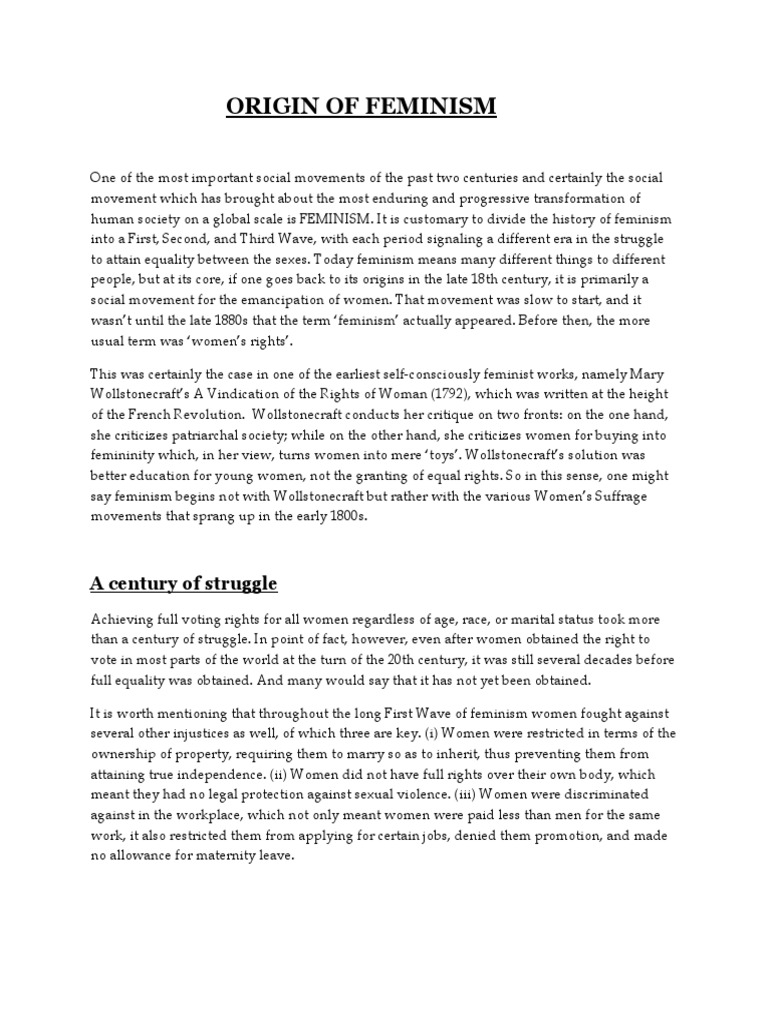
The textbooks will tell you the first wave was all about suffrage. The vote. The holy grail of political enfranchisement. And yes, that’s undeniably a crucial aspect. But to reduce it to a single issue is a gross oversimplification, a deliberate erasure of the complexities and, crucially, the exclusionary practices embedded within the movement itself.
Imagine, for a fleeting moment, the audacity of these women. Victorian society, steeped in its suffocating dogma of domesticity, suddenly confronted by women demanding a voice. Demanding agency. It’s revolutionary, isn’t it? Almost… inspiring.
But scratch beneath the surface and you’ll find a stark reality: the first wave was predominantly white, middle-class, and focused on securing rights for women who already possessed a degree of privilege. The struggle for the vote was often framed as a means to uplift the morality of the nation, a thinly veiled attempt to assert superiority over marginalized groups – particularly women of color and immigrant women – who were deemed “unworthy” of the franchise.
Think of it this way: some were saying, “We deserve to vote because we are just as good as white men!” Not, “Everyone deserves the right to self-determination.” A crucial distinction. A distinction that exposes the inherent limitations and the problematic assimilationist tendencies of this initial foray into feminist activism.
The discourse centered on “sameness” – the idea that women should be granted rights because they were fundamentally the same as men. This emphasis on equality masked deeper inequalities and perpetuated the very patriarchal structures it purported to dismantle. It failed to challenge the root causes of oppression, opting instead for a superficial integration into a system designed to benefit a select few.
Moreover, the concept of “sisterhood” – that mythical bond uniting all women – was largely performative. The lived experiences of working-class women, women of color, and queer women were routinely ignored, their voices silenced in the pursuit of a unified front. The first wave, in many ways, was a gilded cage, offering freedom only to those who fit a specific, exclusionary mold. The era’s limitations serve as a stark reminder that “progress” can still perpetuate injustice if it doesn’t benefit all.
Second Wave: Personal is Political, and the Pitfalls of Universalism
Fast forward to the 1960s and 70s, and the second wave roars onto the scene, fueled by the Civil Rights Movement and the burgeoning anti-war sentiment. This is where things get truly interesting. The mantra “the personal is political” becomes the rallying cry, challenging the rigid boundaries between private life and public discourse. Issues previously relegated to the domestic sphere – sexuality, reproductive rights, domestic violence – are thrust into the spotlight, demanding recognition and redress.
Think about it: before, a woman’s experience of sexual harassment in the workplace was considered a private matter, a personal failing. Now, it’s recognized as a systemic problem, a manifestation of patriarchal power dynamics. The same goes for domestic violence, previously dismissed as a family affair, now understood as a crime against women, a violation of their fundamental human rights.
The second wave saw the rise of consciousness-raising groups, spaces where women could gather to share their experiences, challenge internalized misogyny, and collectively analyze the roots of their oppression. These groups were revolutionary in their own right, fostering a sense of solidarity and empowering women to take control of their lives.
But, just like its predecessor, the second wave was not without its flaws. The focus on universal female experiences often obscured the unique challenges faced by women of color, lesbians, and disabled women. The notion of a monolithic “womanhood” proved to be a dangerous oversimplification, neglecting the intersectional nature of oppression. Many academics have critiqued the second wave’s essentialist definitions of “woman,” arguing that this category can’t possibly capture all the complexities of gender.
The dominance of white, middle-class perspectives led to the marginalization of other voices and the perpetuation of harmful stereotypes. For example, the emphasis on reproductive rights often failed to address the specific needs of women of color, who faced forced sterilization and limited access to healthcare. Similarly, the focus on heterosexual relationships often excluded lesbians and bisexual women, reinforcing heteronormative assumptions and perpetuating homophobia.
The second wave, despite its undeniable contributions, fell prey to the pitfalls of universalism, failing to adequately account for the diverse realities of women’s lives. It’s a powerful reminder that the fight for equality must be inclusive and intersectional, addressing the multiple layers of oppression that women face.
Third Wave: Embracing Complexity and the Conundrum of Choice
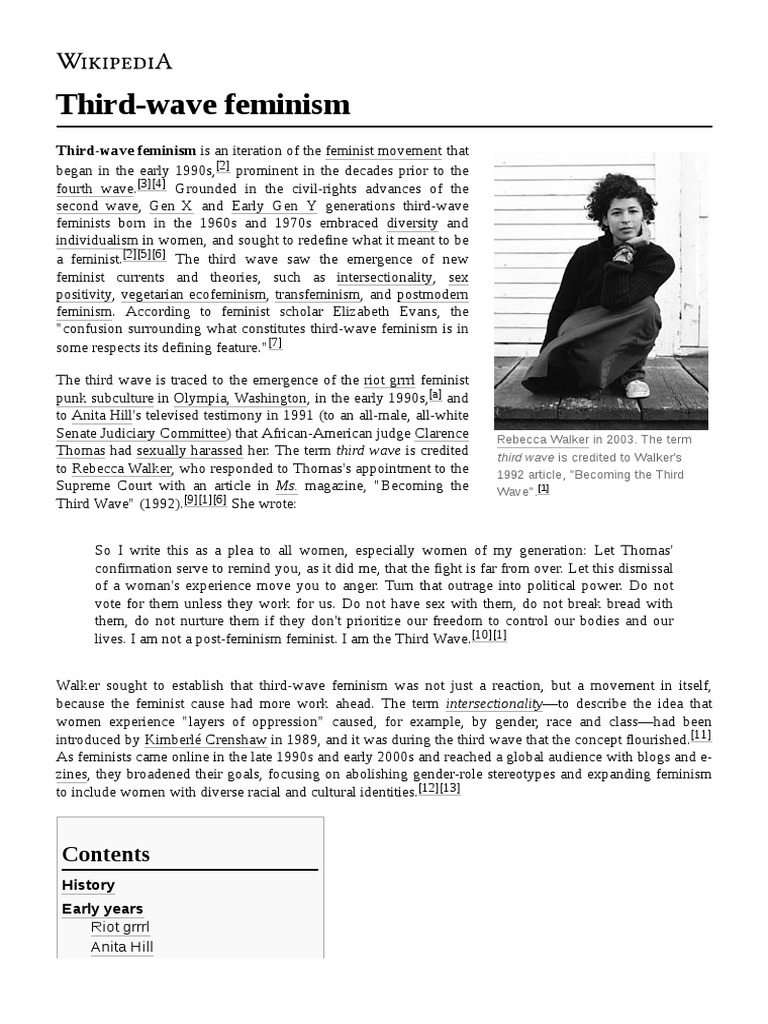
And then came the third wave, crashing onto the scene in the 1990s, armed with riot grrrl aesthetics, a healthy dose of cynicism, and a profound awareness of the limitations of its predecessors. This wave is characterized by its embrace of complexity, its rejection of rigid ideologies, and its emphasis on individual agency.
Forget the binary thinking of the past. The third wave recognizes that gender is fluid, that sexuality is diverse, and that identity is a multifaceted construct. It embraces the messy, the contradictory, and the ambiguous, challenging the very notion of a unified feminist agenda. It’s a much more decentralized, individualized movement than its predecessors.
Think of it as a kaleidoscope, refracting feminist ideals through a multitude of lenses. Some women embrace traditionally feminine aesthetics, reclaiming makeup and fashion as tools of empowerment. Others reject them altogether, challenging the very notion of gender performance. There’s no right or wrong way to be a feminist; the emphasis is on individual choice and self-expression.
This emphasis on choice, however, is also one of the third wave’s most contentious aspects. Critics argue that it can lead to a kind of “choice feminism,” where any action a woman takes is considered feminist, regardless of its potential impact on other women. For example, is it feminist to work as a CEO of a company that exploits workers in developing countries? Is it feminist to embrace hyper-sexualized imagery in the name of empowerment? These are the thorny questions that the third wave grapples with.
Furthermore, the focus on individual agency can sometimes obscure the systemic nature of oppression. While it’s important to celebrate individual successes, it’s equally important to recognize that systemic barriers continue to prevent many women from achieving their full potential. The fight for equality requires both individual empowerment and collective action, a balance that the third wave sometimes struggles to maintain.
Moreover, there are debates about the third wave’s emphasis on micro-politics. While addressing everyday sexism and promoting positive representations of women in media are important, critics say it’s easy to lose sight of larger systemic issues like economic inequality and institutional discrimination. They argue that focusing on individual acts of resistance can overshadow the need for structural change. Is changing your social media profile picture sufficient, or does feminism demand more tangible action?
The Future is Fluid: Beyond the Waves
So, where does that leave us? With a messy, imperfect, but ultimately evolving movement. Perhaps the wave metaphor itself is outdated, suggesting a linear progression that simply doesn’t exist. Maybe we should think of feminism not as a series of waves, but as a vast, interconnected ocean, with currents flowing in multiple directions, constantly interacting and reshaping one another.
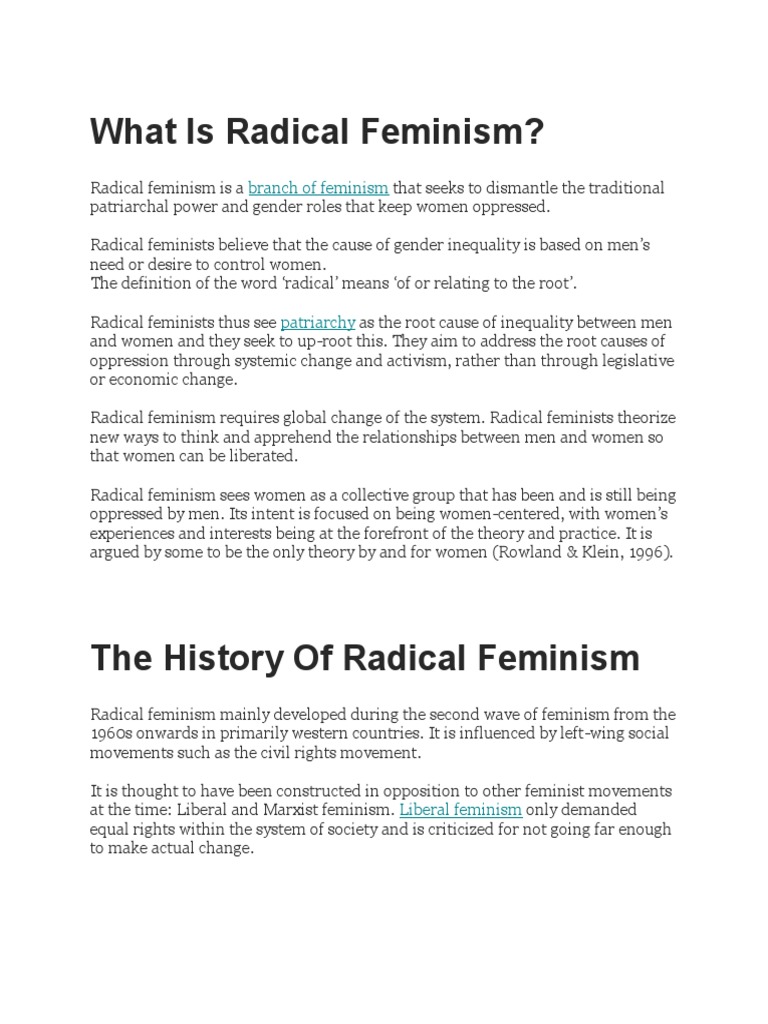
We need to move beyond simplistic narratives and embrace the complexities of intersectionality. We need to listen to marginalized voices and amplify their experiences. We need to challenge the very foundations of patriarchal power, dismantling the systems that perpetuate inequality and oppression.
The future of feminism is not about adhering to a rigid ideology or subscribing to a particular set of beliefs. It’s about creating a world where all individuals, regardless of their gender, race, sexual orientation, or any other identity, can live free from oppression and discrimination. It’s about building a truly equitable and just society. And that, my friends, is a fight worth fighting.
Ultimately, understanding the nuances of these three waves is not about adhering to a specific doctrine, but fostering the continued evolution of the movement. Consider it a necessary evolution, not just to understand the present but to radically imagine a future where equality transcends the confines of mere lip service. The revolution continues, but will you participate? That is the true provocation. The true question.






Leave a Comment