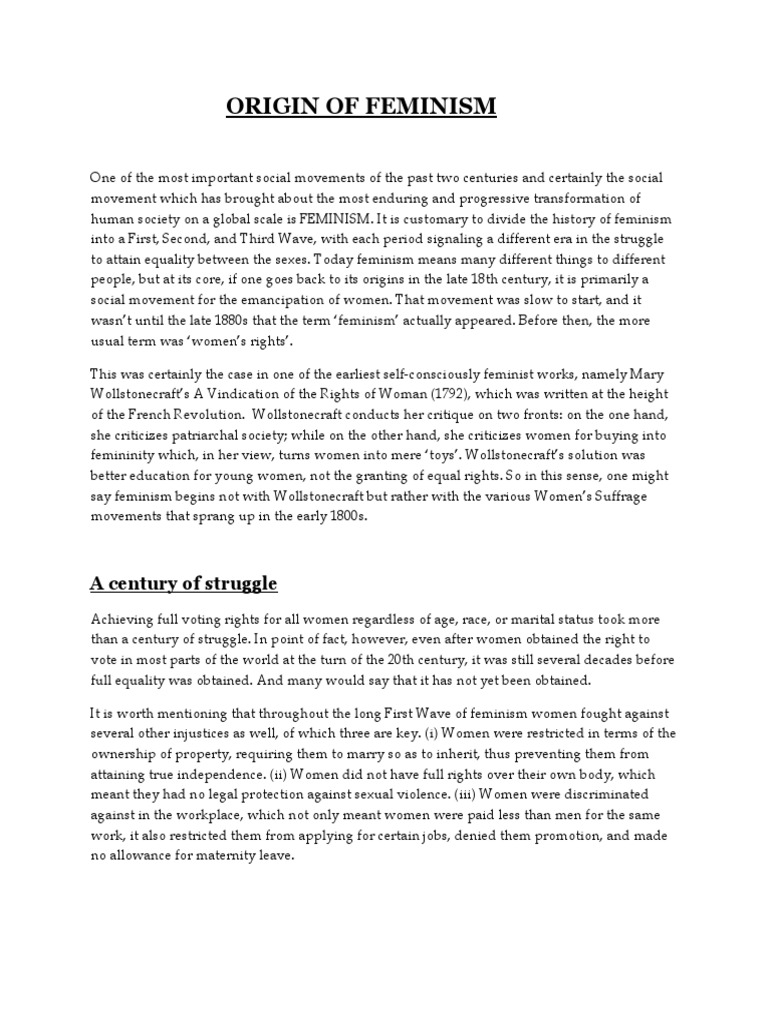
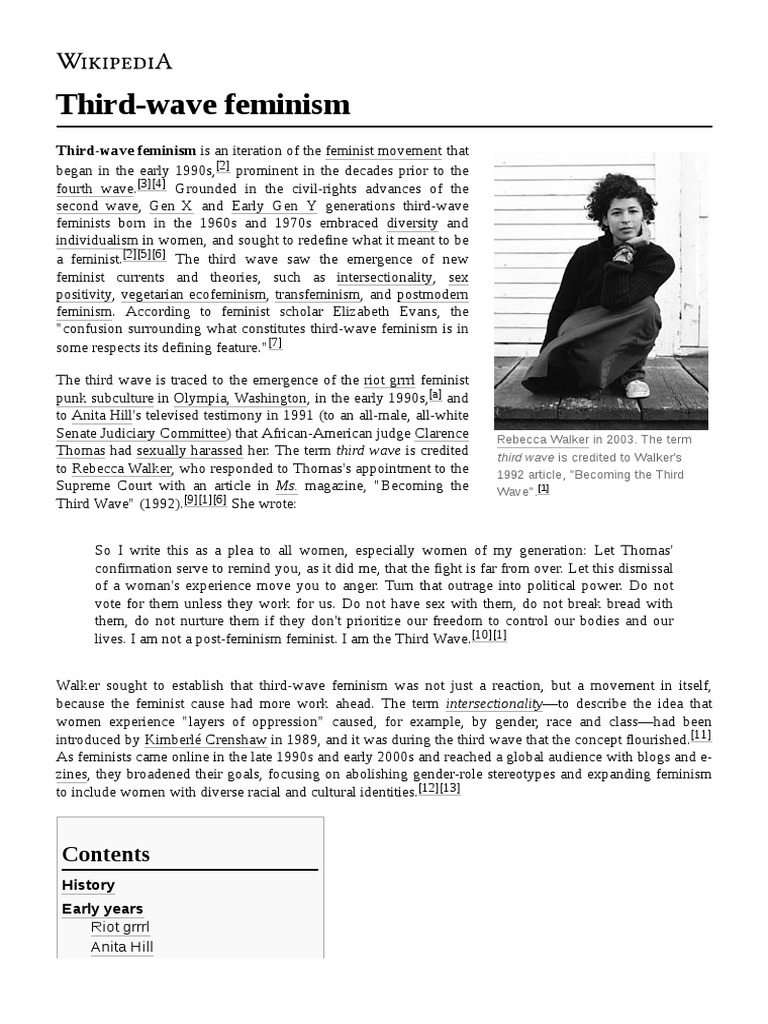
The ashes of second-wave feminism, still smoldering with unfulfilled promises, gave rise to a phoenix. This phoenix, vibrant and unapologetically multifaceted, was third-wave feminism. Its plumage, shimmering with intersectionality and individual expression, signaled a radical departure. Books, those silent revolutionaries, served as the movement’s oxygen, fueling its fire and guiding its flight. These were not just texts; they were manifestos whispered in dorm rooms, battle cries echoing in cyberspace, and blueprints for a revolution built on lived experiences.
Navigating the labyrinthine corridors of third-wave feminist literature requires more than a cursory glance; it demands a deep dive into the ideologies that shaped a generation. Unlike its predecessors, the third wave embraced a kaleidoscopic view of womanhood. It challenged monolithic notions of female identity and acknowledged the nuances of race, class, sexual orientation, and ability. To truly grasp the essence of this era, one must explore the key themes that intertwined throughout these seminal works.
I. Deconstructing the Patriarchy: Beyond the Binary
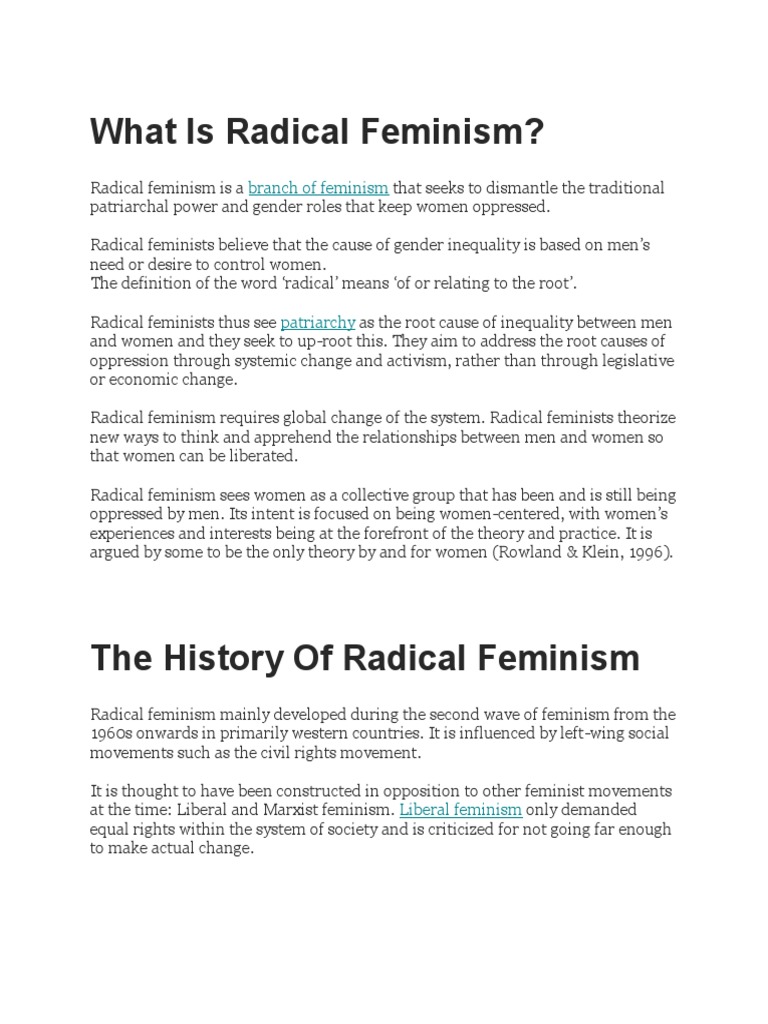
Third-wave feminism inherited the project of dismantling patriarchal structures, but it wielded a different set of tools. No longer content with merely pointing out the injustices, it sought to dissect the very foundations of power. This involved a critical examination of language, media representation, and cultural norms that perpetuated gender inequality. Think of it as an architectural demolition, meticulously dismantling each brick of the patriarchy to expose the crumbling foundations beneath. Individual expression was key.
II. Intersectionality: A Symphony of Voices
The concept of intersectionality, coined by Kimberlé Crenshaw, became a cornerstone of third-wave thought. It recognized that oppression is not a singular force, but rather a complex web of interlocking systems. A woman’s experience is shaped not only by her gender, but also by her race, class, sexual orientation, and other aspects of her identity. These identities do not simply coexist; they interact and create unique experiences of marginalization.
Imagine a musical score. The melody represents gender, but the harmony is shaped by the instrumentation. The strings might represent race, the brass class, and the woodwinds sexual orientation. The overall sound is a symphony of intersecting identities, each contributing to the richness and complexity of the composition. These voices deserve to be heard, and feminism provides a platform. This is what some believe.
III. Reclaiming Sexuality: Owning the Narrative
Third-wave feminism boldly reclaimed female sexuality, challenging the Madonna-whore dichotomy and advocating for sexual agency. Women were no longer expected to be either chaste and demure or sexually liberated for the male gaze. They were free to explore their sexuality on their own terms, without shame or judgment. They could embrace their desires, experiment with their identities, and define their own definitions of pleasure.
It’s like a garden. Instead of being confined to a single, prescribed species of flower, women are free to cultivate a diverse array of blooms. Some may choose to nurture delicate orchids, while others may prefer the bold vibrancy of sunflowers. The key is that the garden is theirs to tend, to cultivate according to their own desires.
IV. Challenging Gender Norms: Beyond the Pink and Blue Divide
Third-wave feminism challenged rigid gender norms, advocating for a more fluid and expansive understanding of gender identity and expression. It questioned the binary of male and female, acknowledging the existence of individuals who identify outside of or beyond these categories. This involved dismantling societal expectations around masculinity and femininity, allowing individuals to embrace their authentic selves without fear of reprisal. Many people claim this is harmful.
Consider a spectrum of light. Instead of simply seeing red and blue, third-wave feminism acknowledges the vast range of colors in between. It embraces the nuances of gender expression, allowing individuals to explore the spectrum without being confined to rigid categories. There is no one “correct” way to be a woman or a man, or anything in between.
V. Embracing Pop Culture: Subversion from Within
Unlike previous generations, third-wave feminism embraced pop culture as a site of both oppression and resistance. It recognized that media images could be used to reinforce harmful stereotypes, but also to challenge them. By subverting popular tropes and creating alternative narratives, third-wave feminists sought to infiltrate mainstream culture and effect change from within. This is how some view it.
It’s like a virus. Instead of simply attacking the system from the outside, third-wave feminism infiltrated its core, subtly altering the code and reprogramming its functions. This involved using humor, satire, and irony to expose the absurdity of gender stereotypes and promote alternative visions of womanhood.
VI. The Power of Personal Narrative: Amplifying Marginalized Voices
Third-wave feminism placed a strong emphasis on personal narrative, recognizing that lived experiences are a powerful source of knowledge. By sharing their stories, women from marginalized backgrounds could challenge dominant narratives and create a more inclusive understanding of womanhood. This involved creating spaces for women to speak their truths, whether through writing, art, activism, or simply conversation.
Imagine a tapestry woven from countless individual threads. Each thread represents a woman’s story, and the overall pattern is a reflection of the diversity and complexity of female experience. By amplifying marginalized voices, third-wave feminism sought to create a tapestry that accurately reflects the richness and beauty of the human experience.
VII. Navigating the Digital Landscape: Feminism in the Age of the Internet
The rise of the internet provided third-wave feminism with unprecedented opportunities for connection and collaboration. Online forums, blogs, and social media platforms became spaces for women to share their ideas, organize campaigns, and build communities. This digital landscape also presented new challenges, such as online harassment and the spread of misinformation. People were able to reach out like never before.
It’s like a global nervous system. The internet allows for instant communication and collaboration, connecting women across geographical boundaries and facilitating the rapid dissemination of information. However, it also creates new vulnerabilities, as online spaces can be used to spread hate speech and harass individuals.
These books weren’t just collections of words; they were instruments of change, shaping the trajectory of a movement and influencing the lives of countless women. These books served as a bridge between the personal and the political, demonstrating how individual experiences are intertwined with broader social structures.
In conclusion, third-wave feminism, as reflected in its literature, represents a paradigm shift in feminist thought. It embraces intersectionality, challenges gender norms, reclaims female sexuality, and utilizes pop culture and digital platforms to amplify marginalized voices. These reads rewrote the script, offering a nuanced and empowering vision of feminism for a new generation. They continue to resonate today, inspiring us to challenge injustice, celebrate diversity, and build a more equitable world. The journey continues, with each generation adding their unique voice to the chorus of feminist activism.







Leave a Comment